Par le Bureau de développement de la Mission du Bon Pasteur au Liban (Province du Liban/Syrie)
Depuis la nouvelle escalade début mars, le Liban est confronté à une catastrophe humanitaire qui ne cesse de s'aggraver. Au moins 2 294 personnes ont perdu la vie, dont plus de 177 enfants, ainsi que de nombreux membres de la Croix-Rouge, de la Protection civile et des forces armées, tandis que plus de 7 185 ont été blessées.
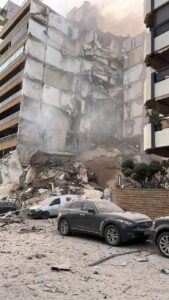 Le nombre de personnes déplacées continue d'augmenter considérablement, dépassant désormais 1,2 million, les abris sont saturés et de nombreuses familles n'ont d'autre choix que de rester dans la rue. Des communautés entières ont été déracinées, tandis que certaines zones, notamment des villages chrétiens du Sud, restent isolées, avec un accès extrêmement limité à la nourriture, aux médicaments et aux produits de première nécessité.
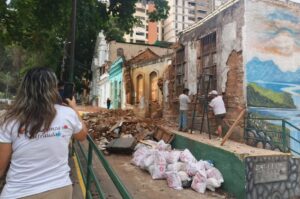
L'escalade ne montre aucun signe de ralentissement. La semaine dernière, le mercredi 8 avril, plusieurs villes du Liban ont été frappées sans avertissement par le tir de plus de 160 missiles en quelques minutes, provoquant des destructions considérables et la mort de centaines de civils.
Face à cette dévastation, des négociations préliminaires ont été entamées entre les gouvernements libanais et israélien, faisant naître un espoir fragile : celui qu’un dialogue puisse contribuer à apaiser les souffrances d’une population à bout de forces.
Déplacement sans fin
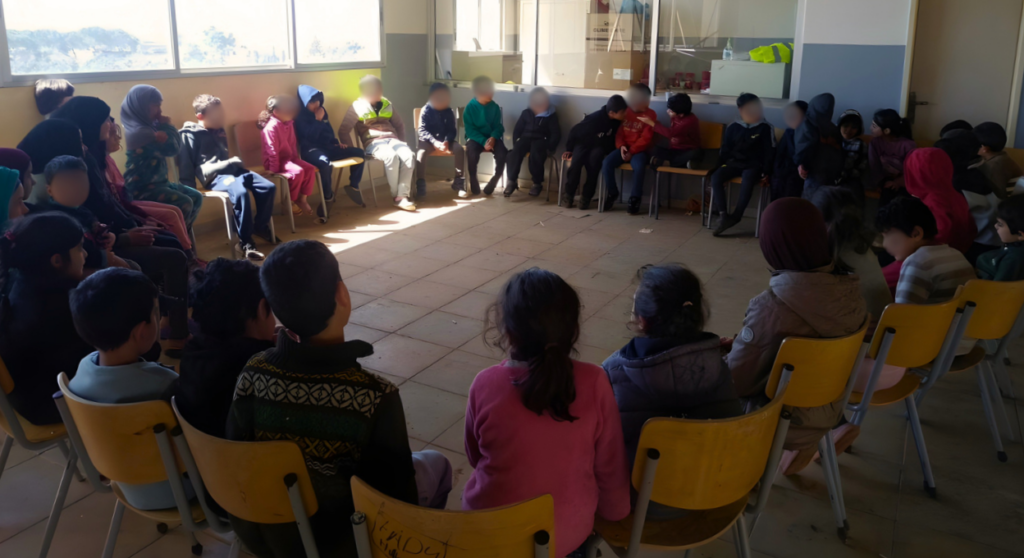
Dans la région du Metn, où les équipes continuent de rendre visite aux familles déplacées, Sœur Micheline décrit une réalité qui n'est plus temporaire, mais bien permanente :
«Ce qui était autrefois perçu comme un déplacement de courte durée est devenu, pour beaucoup, une situation durable. Les familles qui ont fui pendant la guerre de 2024 ne peuvent toujours pas retourner dans leurs maisons qui n'existent plus et partagent désormais des abris surpeuplés avec des familles nouvellement déplacées.
Des familles entières sont confinées dans une seule pièce, vivant presque sans bouger et dans un bruit constant. Les enfants ont du mal à se concentrer, à étudier, voire même à se reposer, et beaucoup passent de longues heures seuls, ce qui accentue leur sentiment d'isolement.
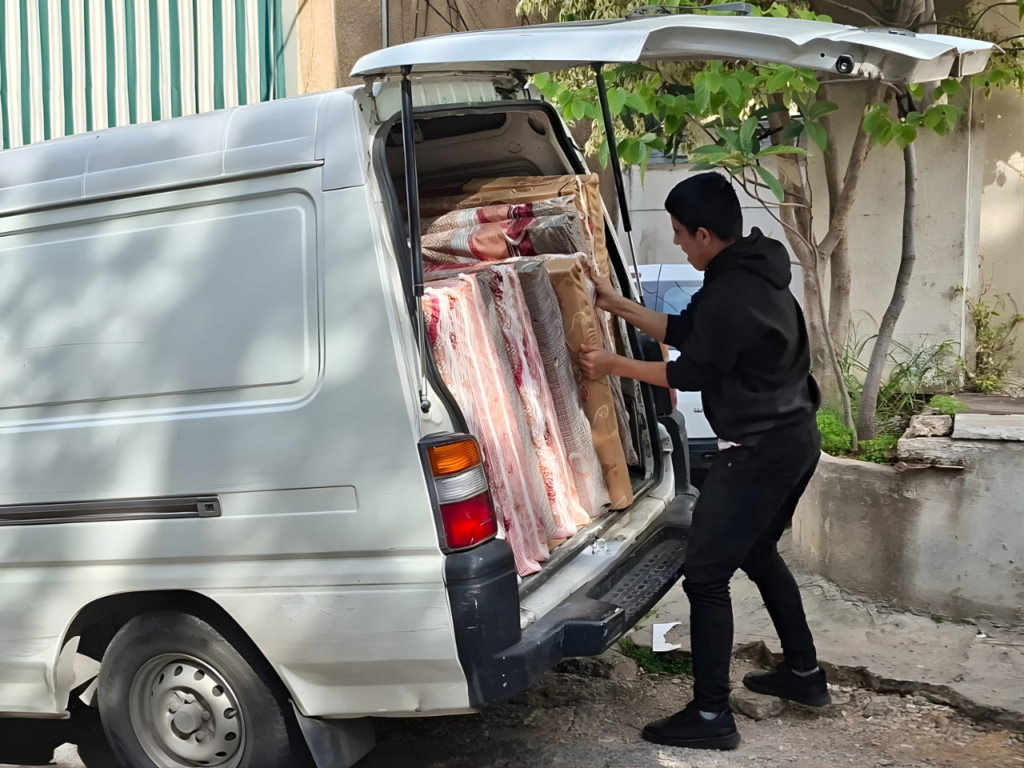
La fatigue est gravée sur leurs visages, à vif et profonde. Cette crise dure depuis si longtemps que le monde a basculé ; ils dérivent, complètement désemparés. Chaque jour ressemble à une boucle floue et statique, et le chemin à suivre a complètement disparu, les laissant à bout de forces, brisés, épuisés et à bout de forces. »
Réponse bienveillante et coordonnée
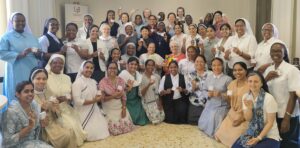
Face à ces besoins croissants et complexes, Sœur Amira, en étroite collaboration avec l’équipe du diocèse d’Antélias, continue de renforcer la coordination sur le terrain :
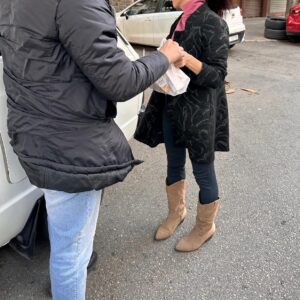 «Les familles sont accueillies, enregistrées et évaluées avec soin afin que chaque personne puisse être orientée vers le soutien dont elle a besoin. De l’accès aux soins médicaux et aux médicaments essentiels à la continuité de la scolarité des enfants, des efforts sont déployés pour rétablir un semblant de structure au milieu du chaos.
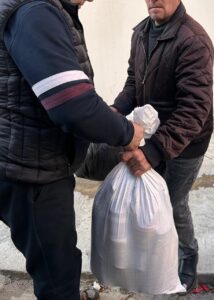
Des kits d’hygiène et des colis alimentaires sont distribués régulièrement, aidant les familles à subvenir à leurs besoins les plus immédiats. Parallèlement, l’action humanitaire se poursuit, atteignant les populations nouvellement déplacées, tout en préparant un soutien pour celles qui restent dans des zones isolées et difficiles d’accès. »
«Par amour, nous partageons tout ce que nous avons et tout ce que nous sommes, car tout est don. »
— Sainte Marie-Euphrasie
Le poids caché de la survie
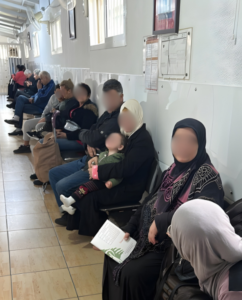 Au-delà des destructions visibles se cache un fardeau plus silencieux et plus lourd.
Les familles arrivent démunies, ayant perdu non seulement leur maison, mais aussi les détails qui rythment leur quotidien : ordonnances médicales, papiers d'identité, et tout sentiment de continuité. Pour les personnes atteintes de maladies chroniques, les interruptions de traitement représentent un risque grave, tandis que les femmes enceintes et les personnes âgées sont de plus en plus vulnérables.
Dans de nombreux endroits, les parents semblent dépassés, peinant à se repérer dans un environnement inconnu et une incertitude constante. Les enfants, exposés à l'instabilité et à la peur, manifestent une profonde détresse, qui se traduit par la maladie, le repli sur soi ou des difficultés d'adaptation à leur nouvelle réalité.
La crise met à l'épreuve non seulement l'accès aux ressources, mais aussi la résilience, la dignité et la capacité d'endurer.
Un témoignage du terrain
Derrière cette réalité plus générale, chaque famille porte en elle sa propre histoire de perte, de confusion et de résilience. Un instant, un lieu, peuvent révéler ce que les mots ne peuvent souvent pas exprimer
Après l'explosion qui a emporté son mari, Zeina s'est retrouvée comme figée. Le choc était moins une douleur aiguë qu'un épais brouillard qui rendait chaque mouvement lent et superflu.
Son fils de trois ans, en revanche, réagit avec une intensité calme et concentrée. Il grimpa sur le côté du lit où se trouvait son père et y resta. Il ne fit pas de crise ni ne posa de questions auxquelles il ne pouvait répondre ; il occupa simplement l'espace laissé vacant par son père.
Pendant presque toute une journée, le petit garçon refusa de bouger. Il ne voulait ni manger la nourriture que Zeina lui avait apportée, ni jouer avec ses jouets. Assis sur le matelas, il observait la porte, comme pris dans un état d’attente instinctive. Il semblait comprendre que quelque chose de fondamental avait changé, mais il restait là, comme si sa simple présence pouvait garder la place libre en attendant le retour de son père. Dans le silence de la maison, Zeina l’observait : deux générations d’une même famille confrontées à une perte qu’aucune n’était tout à fait prête à nommer.
Tenir bon, ensemble
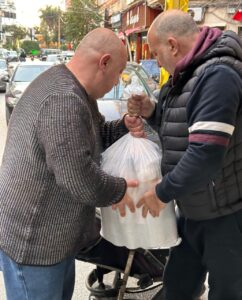
Partout, une réalité s'impose : il ne s'agit plus d'une situation d'urgence à court terme, mais d'un combat de longue haleine pour la stabilité et la dignité.
Et pourtant, même au cœur de l'épuisement et du deuil, on observe de discrets signes de solidarité : des gens qui partagent le peu qu'ils ont, des communautés qui ouvrent leurs portes et des équipes qui poursuivent leur travail malgré la pression.
La mobilisation se poursuit, étape par étape, guidée par la conviction que personne ne devrait affronter cette crise seul.
Au moment où ces mises à jour étaient en cours de finalisation, un cessez-le-feu est entré en vigueur au Liban. Nous gardons l'espoir que cela marque le début d'une période plus stable et plus paisible pour tous.
Soutenez notre intervention d'urgence « Le Bon Pasteur » au Liban par l'intermédiaire du GSIF ; votre aide fera toute la différence pour les familles déplacées qui ont un besoin urgent d'aide : www.gsif.it/crisis-lebanon