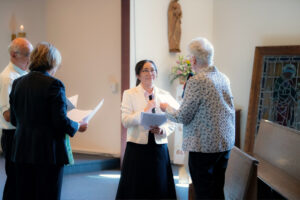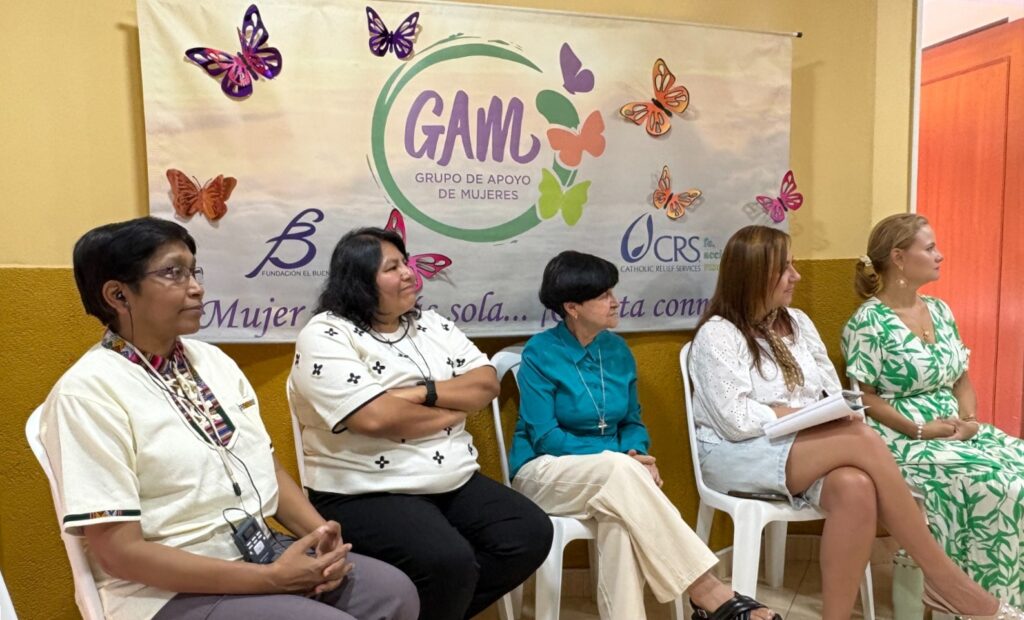
Le premier jour de la visite de L’équipe de leadership de la Congrégation dans la Province de Colombo-Venezuela le 8 mars 2026, a débuté par un geste simple : un cœur aux portes ouvertes.
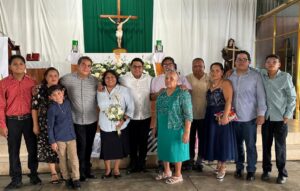
Lors de la célébration eucharistique, ce symbole a exprimé tout ce que les sœurs présentes aspiraient à vivre : une communauté ouverte à Dieu, les unes aux autres et au monde. Ce n’était pas seulement un accueil, mais une intention pour les jours à venir.
Dès ces premiers instants, le voyage s’est transformé en un chemin de rencontres. Les conversations avec les sœurs aînées et les moments de dialogue silencieux avec les Sœurs Contemplatives ont révélé un profond courant de foi et de fidélité –des vies enracinées dans la prière, soutenant la mission de manières souvent invisibles.
Le lendemain, à Rionegro, le rassemblement s’est agrandi avec l’arrivée, dans la salle Maria Droste, de sœurs des communautés de Miraflores et de San Juan Eudes. Là, une question simple mais profonde a émergé : pouvons-nous reconnaître la vie nouvelle qui se manifeste, même au cœur de la souffrance, de la violence et de l’incertitude ? L’invitation était claire : cheminer ensemble, écouter plus profondément et rester ouverts à la transformation.
L’après-midi, une rencontre a eu lieu avec les partenaires de la communauté María Droste, où l’équipe pastorale a exprimé sa gratitude pour leur dévouement et leur rôle essentiel dans la mission. L’équipe pastorale a souligné que chacun est coresponsable de la promotion du charisme de miséricorde et de réconciliation.
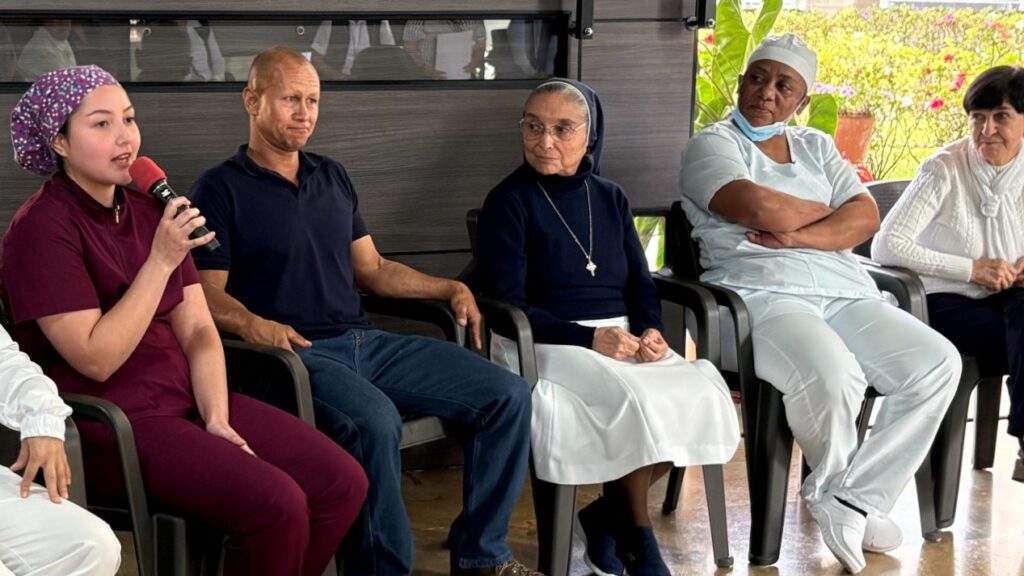
Les discussions ont porté sur les vocations, les défis actuels et l’appel commun à répondre aux besoins du monde. Les participants ont réfléchi à la manière d’étendre leur mission au-delà de la congrégation, dans leur vie quotidienne, en devenant des signes vivants de vocation et d’engagement.
La journée s’est conclue par des spectacles de danse de différentes régions de la province.
Le voyage s’est ensuite poursuivi vers Medellín.
Dans le quartier de San Juan Eudes, les rues, les collines et les maisons racontent des histoires de lutte et de transformation. Perchée dans les montagnes, dans une maison modeste, Laura, une participante au programme, a raconté comment, grâce à l'accompagnement de la Fundación Buen Pastor, sa vie – et celle de sa famille – avait commencé à changer.
L'après-midi, des Colombiennes et des Vénézuéliennes, participantes au programme, ont partagé d'autres témoignages et ont clôturé la journée en musique et en danse.
De Medellín, le voyage s'est poursuivi jusqu'à Bogotá.
Là, le rythme a de nouveau changé. Parmi les sœurs âgées de la communauté Corazón de María, régnait un profond calme – une force tranquille forgée par des années de fidélité. Sœur Joan Marie a délivré un message profondément émouvant, renouvelant le regard porté sur le vieillissement. Elle a rappelé à ces femmes que cette étape de la vie n'est pas un déclin, mais une transformation vers une manière d'aimer plus contemplative.
Elle a qualifié les sœurs âgées de «silent strength» et de «mémoire vivante» qui guide la Congrégation.
Pourtant, Bogotá a aussi révélé une autre réalité.
En marchant aux côtés des équipes de terrain, les sœurs Joan Maire et Erika ont rencontré des femmes victimes d'exploitation sexuelle et de grandes difficultés. Aucune solution miracle n'a été proposée à ce moment-là, seulement une présence attentive, une écoute attentive et de petits gestes de compassion. Un sourire, une parole, une prière. Et dans ces gestes, quelque chose d'essentiel a été restauré : la dignité.
Le voyage ne s'est pas arrêté là.
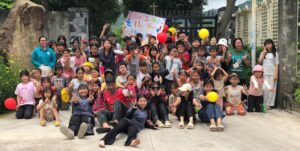
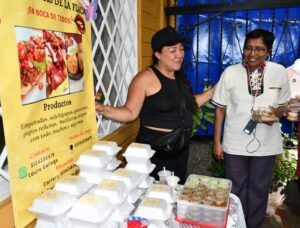 À Ibagué, sœurs, partenaires de mission et communautés se sont réunis pour prier, dialoguer et partager des moments de vie. Rires, créativité et récits ont rythmé la journée, et rappelé que la mission se nourrit aussi de joie et de liens humains.
Dans chaque lieu visité, un fil conducteur s'est dégagé : la mission est partagéeSœurs, partenaires de mission et bénévoles participent tous à un même cheminement, marchant ensemble, écoutant ensemble, répondant ensemble.
Au fil des jours, le sens des «open doors» s'est précisé. Il ne s'agissait pas seulement d'accueillir les autres, mais aussi d'être prêt à changer, à lâcher prise et à affronter l'incertitude avec confiance.
Après douze jours, le voyage a repris son cours : un rassemblement pour rendre grâce.
Lors de la dernière Eucharistie, tout ce qui avait été vécu – rencontres, récits, épreuves et espoirs – s’est trouvé réuni. Et pourtant, ce n’était pas une fin.
Car la véritable question demeurait :Comment maintenir le dialogue ouvert ?
La réponse ne se trouve pas en un instant, mais dans un choix quotidien :vivre la synodalité, faire confiance à l’Esprit et rester engagé envers ceux dont la dignité appelle à être reconnue.
Le chemin s’est peut-être achevé, mais l’invitation demeure.