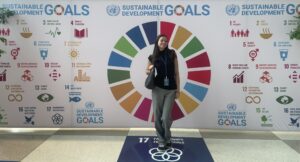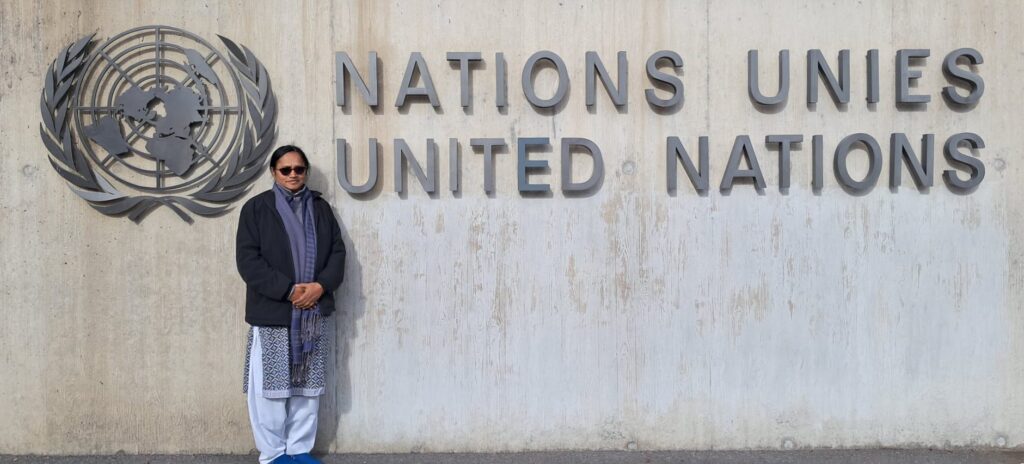
As country representative at GSIF-Nepal, Sr. Precilla Noronha participated in the 61st session of the Human Rights Council (HRC61), held at the UN in Geneva from February 23 until March 6, 2026. She shares her experience here of this global gathering, at which GSIF-Nepal made an oral statement on behalf of the Congregation about the urgent need to address violence against children.
One of the most striking impressions upon my arrival was the Broken Chair at the Place des Nations. Standing on three and a half legs, this powerful 12-meter-tall wooden sculpture, created in 1997 by artist Daniel Berset for Handicap International, symbolizes the victims of landmines and cluster munitions. It serves as a profound reminder of the urgent need to protect civilians and highlights the gaps that still exist in the pursuit of justice worldwide. The monument invites reflection on our shared global responsibility to uphold human dignity and ensure greater accountability in addressing human suffering. Nearby, the flags of nearly 190 countries stand in unison, representing the solidarity and unity of the international community.
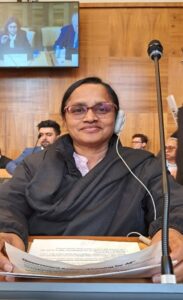 The HRC61 session addressed various human rights issues, including those related to children, youth, and minority rights, with specific reports on Nepal. Over the two weeks, I attended a range of discussions covering mediation and conflict resolution, women’s political leadership in multilateral processes, and the role of youth and artificial intelligence in shaping the future of human rights.
Additional sessions focused on the rights of minority communities, including Roma and travelers, the role of faith communities in addressing religious intolerance, women’s rights in situations of armed conflict, and the protection of freedom of religion or belief.
One of the highlights for us was the oral statement on violence against children, which Aakriti, a rights-holder from GSIF Nepal’s Project AASTHA*, successfully delivered on March 10.
Submitted by Our Lady of Charity of the Good Shepherd in collaboration with GSIF Nepal and Opportunity Village Nepal (OVN), in the oral statement (which you can watch in full below), Aakriti spoke about the urgent need to address violence against children—highlighting gaps in protection systems in Nepal, the growing risks of digital exploitation, and calling for stronger investment, accountability, and coordinated action to safeguard children’s rights.
Through this and other engagements, I observed that despite diverse national contexts, many challenges are shared globally. The pursuit of justice, peace, and human dignity remains central across all regions. The Human Rights Council provides a critical platform for raising these concerns and for ensuring that the voices of affected communities are heard.
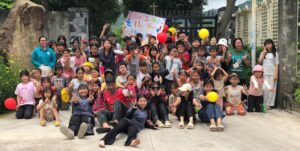
I was particularly struck by the important role that is played by Non-Governmental Organizations (NGOs), such as OLCGS, GSIF-Nepal, and OVN. Our joint contributions brought grassroots realities into international discussions, reinforcing the need for accountability and inclusive participation in advancing human rights.
As part of my visit, I also had the opportunity to explore the International Red Cross and Red Crescent Museum. The exhibits offered valuable insight into humanitarian efforts across history, especially in times of conflict, and highlighted the importance of caring for those most affected by crises.
Overall, this experience was both enriching and transformative. It deepened my understanding of how global human rights issues are addressed at the international level and strengthened my conviction that the voices of the marginalized must be represented in these spaces.
This unique opportunity strengthened my belief that meaningful change begins when the realities of those at the grassroots are brought to the global stage, ensuring that no voice goes unheard.
*Project AASTHA focuses on rescuing, rehabilitating, and reintegrating children and young people vulnerable to, or victims of, trafficking and labor exploitation, including rescuing minors from exploitative conditions.