By Sr. Myriam Theresa Như Trang, Sector Communicator, Vietnam (Province of East Asia)
In Ho Chi Minh City’s fast-growing outer districts and industrial-zone suburbs, most children can access public schooling, but children from migrant families often face practical barriers—especially administrative paperwork tied to temporary residence, which can complicate enrollment or push families toward more expensive options that they can seldom afford.
In the context of an often-unstable migrant life, many families face daily livelihood pressures, which can contribute to irregular attendance and higher dropout risk as children get older, with migrant children consistently more likely to be out of school than non-migrant peers in the city.
The city and partners have been running “child-friendly city” and inclusion-focused efforts aimed at ensuring services reach groups that are otherwise missed, but gaps persist in the newest peri-urban communities where population growth outpaces school capacity and support services.
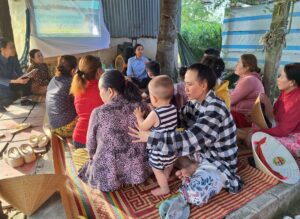
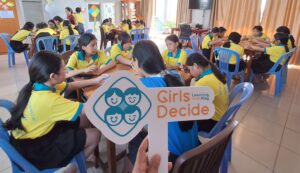
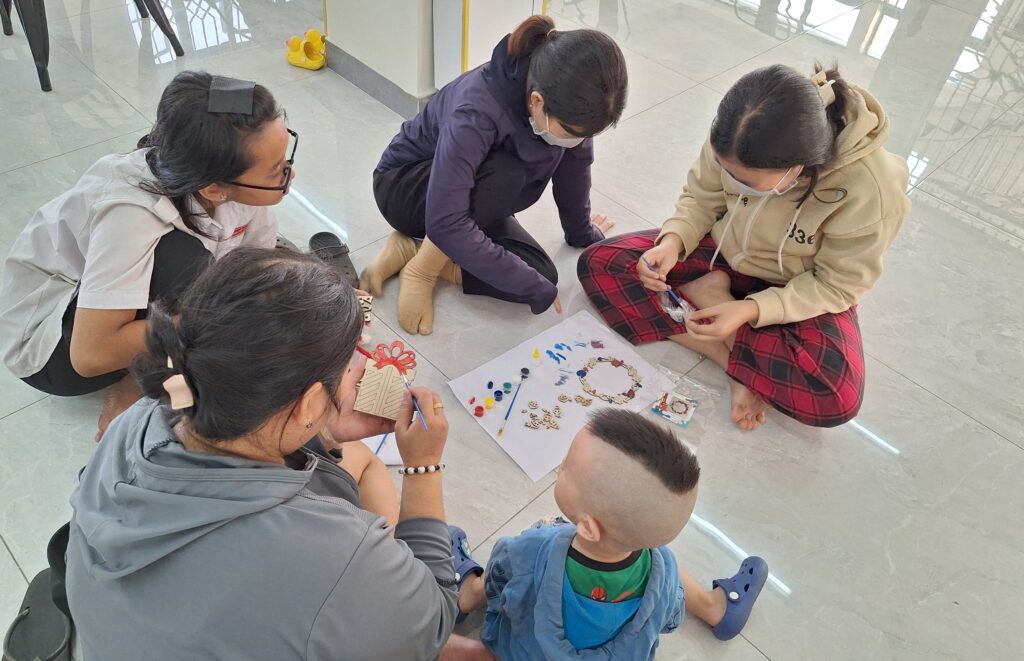
One of these new peri-urban communities is Vinh Loc B Migrant Area, where, in preparation for the International Day of Education (January 24, 2026), our sisters and partners-in-mission organized a recent gathering for nearly 30 students and more than 20 parents facing difficult circumstances, with a focus on protecting children’s rights through their education and holistic development.
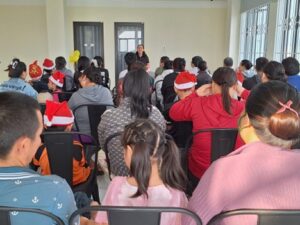
The event aimed to help parents and students, especially those from migrant families, gain a deeper understanding of the importance of education and the role of the family in accompanying children on their journey to school.
With the dedicated accompaniment of sisters and partners-in-mission, parents were listened to, given the opportunity to share, and encouraged to continue creating favorable conditions for their children to attend school, acquire basic education, and develop essential life skills. The students were also encouraged to grow in confidence and awareness of the importance of learning and personal development.
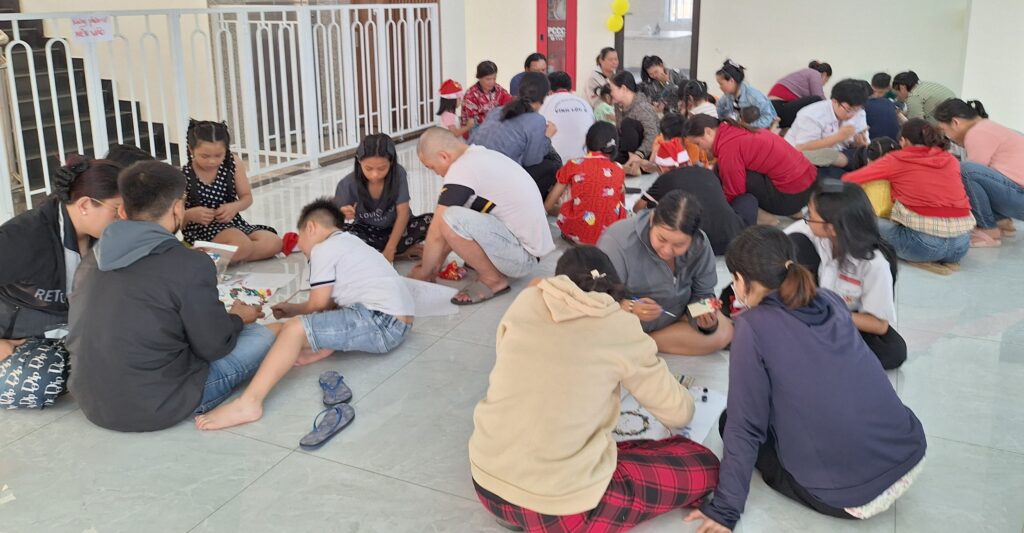
In addition to sharing and guidance sessions, the program included recreational and group activities, creating opportunities for parents and children to participate together—to laugh, share, and connect. These simple yet warm moments contributed to healing and strengthening family relationships, helping parents and children understand and relate to one another better.
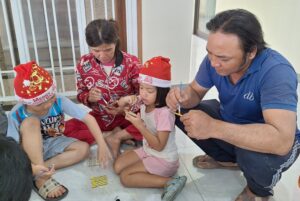 The gathering was not only an educational activity, but also a person-centered and pastoral journey of accompaniment, clearly reflecting the spirit of love, care, and protection for the most vulnerable that the charism of the Good Shepherd mission continually seeks to live out.
As we look ahead to 2026, our hope is to strengthen our mission of education in the Vinh Loc B Migrant Area, so that each small step of accompaniment offers migrant children more opportunities to rise up, nurture their dreams, and build a brighter future.