By Sarah Elbisser, Heritage Manager, Good Shepherd Museum, Angers, France
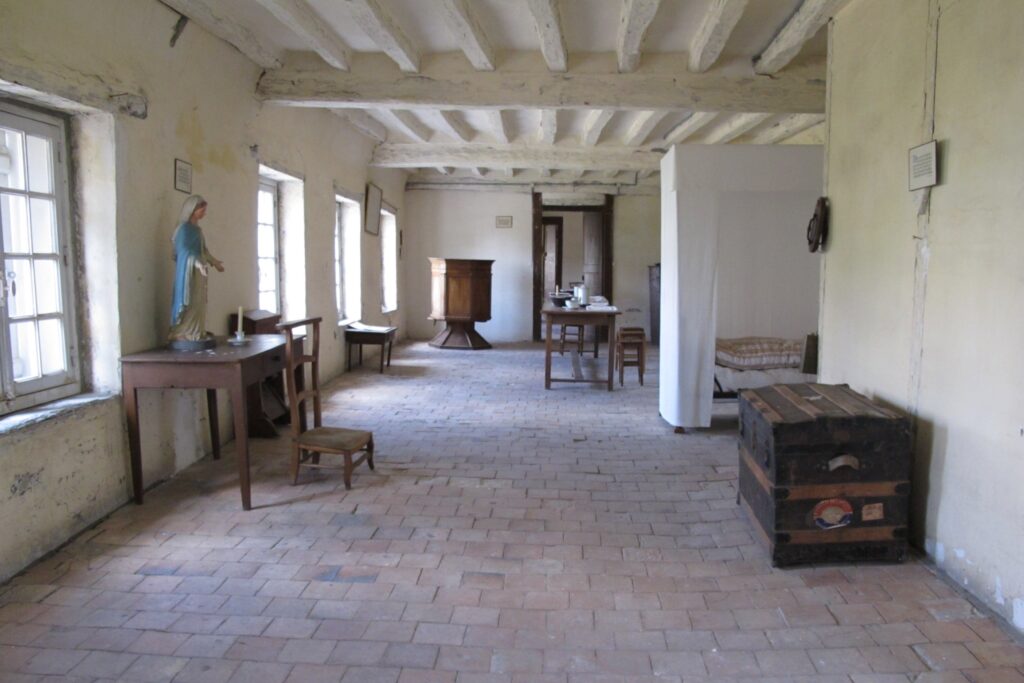
La Museo del Buen Pastor in Angers is celebrating its tenth anniversary this year. As early as the 1990s, the Congregational Leadership Team envisaged creating a museum dedicated to Good Shepherd history and mission, open to the general public, in the building where the foundation was established in 1829. The aim was to breathe new life into this historic site, which bears witness to the daily lives of the first sisters and the international expansion of the Congregation.
In 2011, the CLT tasked the Motherhouse Commission with overseeing the renovation of the building and set up a Heritage Committee responsible for designing the visitor route and the content of the Museum, with a view to creating “a place where visitors can come and discover our history… and which will showcase our current apostolates around the world and our commitments today.” The aim is therefore to raise awareness of the Congregation amongst a wide audience.
The Heritage Committee, comprising Sr. Armelle Dehennault and Sr. Elisabeth Rémy (France), Sr. Noreen O’Shea (Ireland, Coordinator of the Spirituality Center), Sr. Janice Ryan (Australia/Aotearoa-NZ), Sr. Eliana Letelier (Chile), Sr. Ingrid Schimansky (Germany), Sarah Elbisser (Motherhouse) and a volunteer, met twice a year between November 2011 and October 2014. This group worked closely with the architect and exhibition designer Sandra Troffigué, who designed the exhibition layout of the Museum.
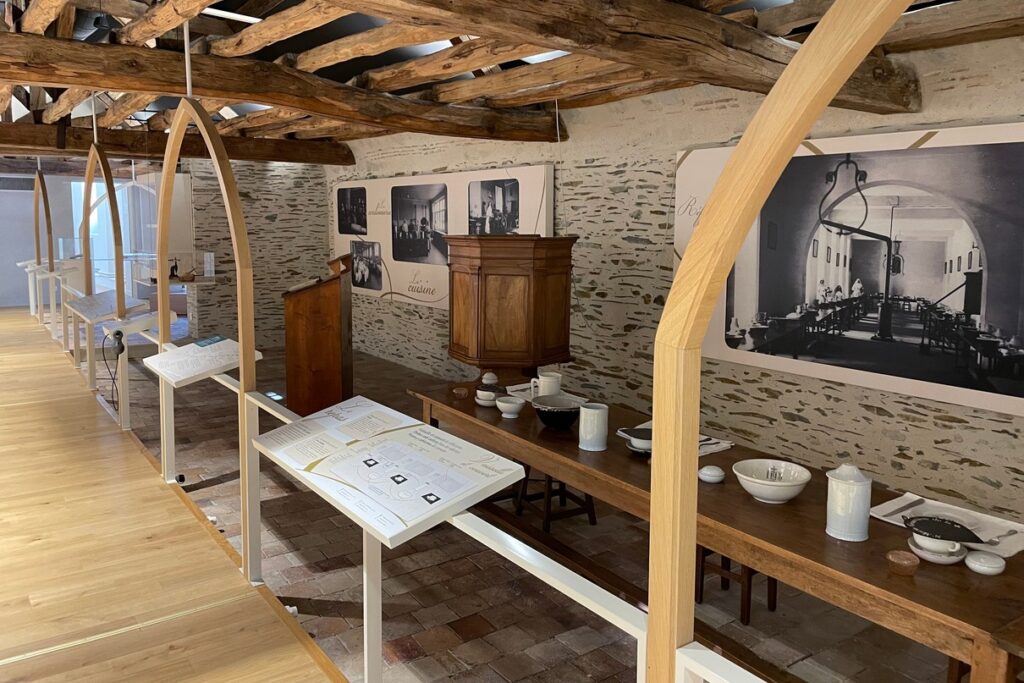
The renovation work and bringing the building up to standard, supervised by the Motherhouse Commission, took place between March 2014 and June 2015. The production of the exhibition displays and the graphic design of the panels were then carried out between March and May 2016 by the specialist firm Boscher Signalétique. The Museum opened its doors to the public on July 6, 2016. Spanning three floors, the exhibition combines text, images, and audiovisual material in the three official languages of the Congregation.
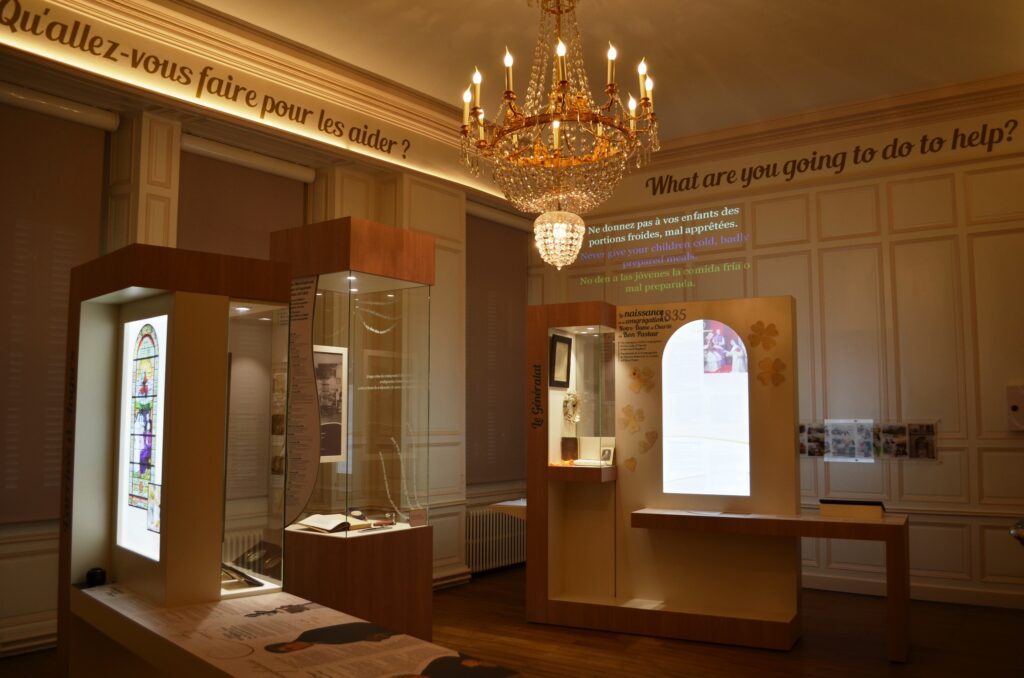
The CLT initially entrusted its management to an association, the Friends of the Museum of the Good Shepherd, and then, in 2022, to the Spiritual Center. Temporary events are organized, including exhibitions (to mark, for example, the centenary of the First World War and the bicentenary of the Contemplative Sisters) and, since 2023, “Museum Evenings” featuring themed conferences.
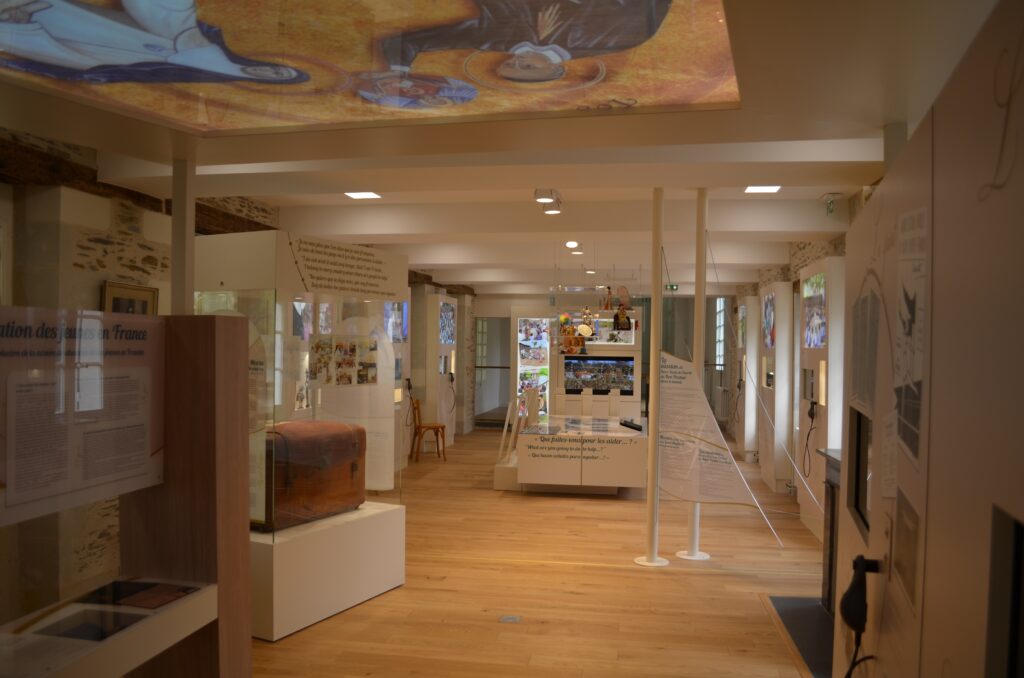
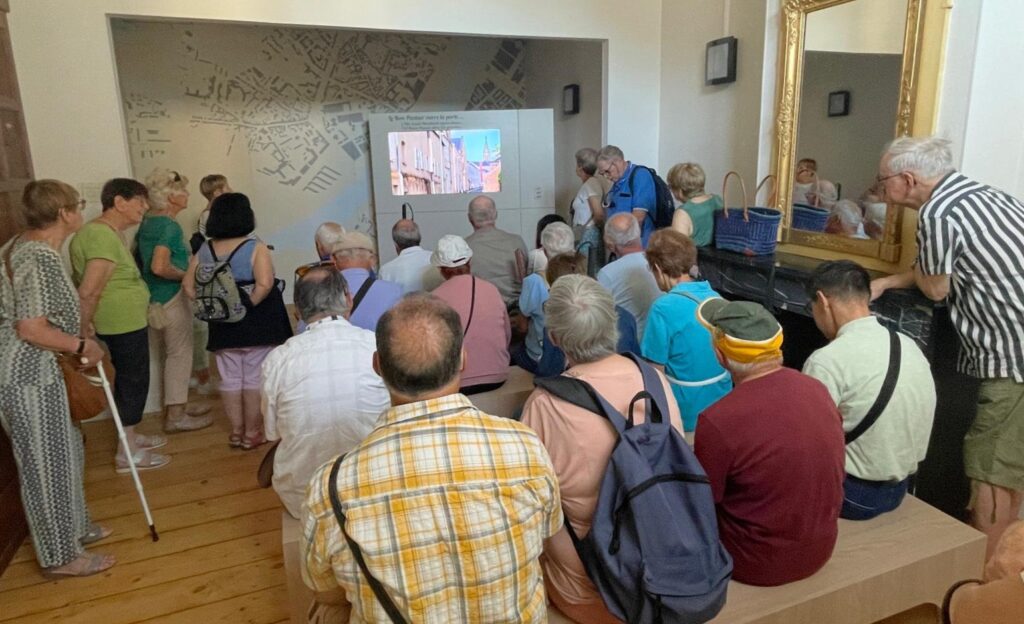
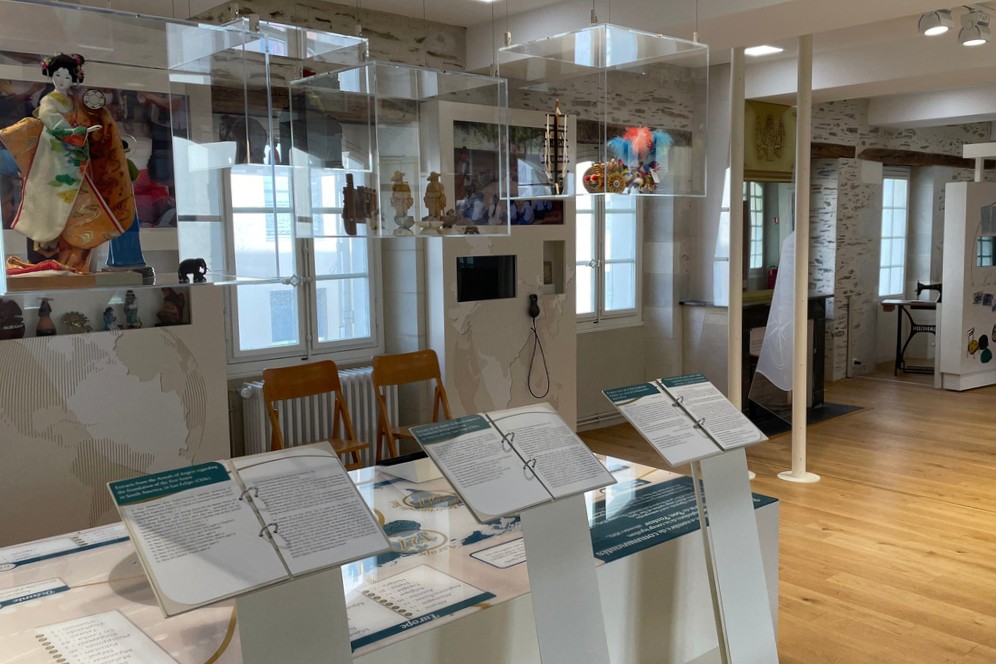
Local visitors, sisters, and partners-in-mission from around the world come together here to explore our history. Everyone leaves deeply moved by the work of Saint Mary Euphrasia. At a time when great women are reclaiming their place in history, rediscovering her visionary and international work feels only natural. The international dimension of the exhibition at the Museum is also particularly memorable. Visitors from outside the Congregation, most of whom are French, come to realize the extent of the mission across the four corners of the globe and the diversity of the people whose lives are transformed through the work of the Congregation.
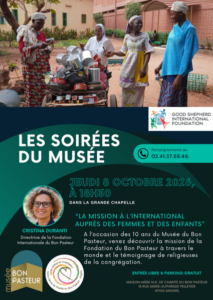 To highlight the international mission carried out on the ground, , Directora de la GSIF, director of the Fundación Internacional del Buen Pastor (GSIF) (GSIF), was invited to give a talk to mark the Museum’s 10th anniversary on October 8. She described the realities of life for girls, women, and children across several continents during a journey around the world, which revealed some inspiring stories thanks to the support of GSIF in the Democratic Republic of Congo, Lebanon, Madagascar, and Nepal. She also highlighted the role of GSIF as a network: “to create the conditions for the mission to continue, by connecting and engaging countries and ministries, nurturing relationships, mobilizing resources, and forging alliances and partnerships.»
A network of which the Good Shepherd Museum is proud to be a part, so that it may continue, in the years to come, to raise awareness of the work – which has continued uninterrupted since the days of St. John Eudes and St. Mary Euphrasia – amongst the most vulnerable, and, to quote Cristina, remain “faithful to a mission that has always been able to… transform crises into opportunities for reconciliation and solidarity.»