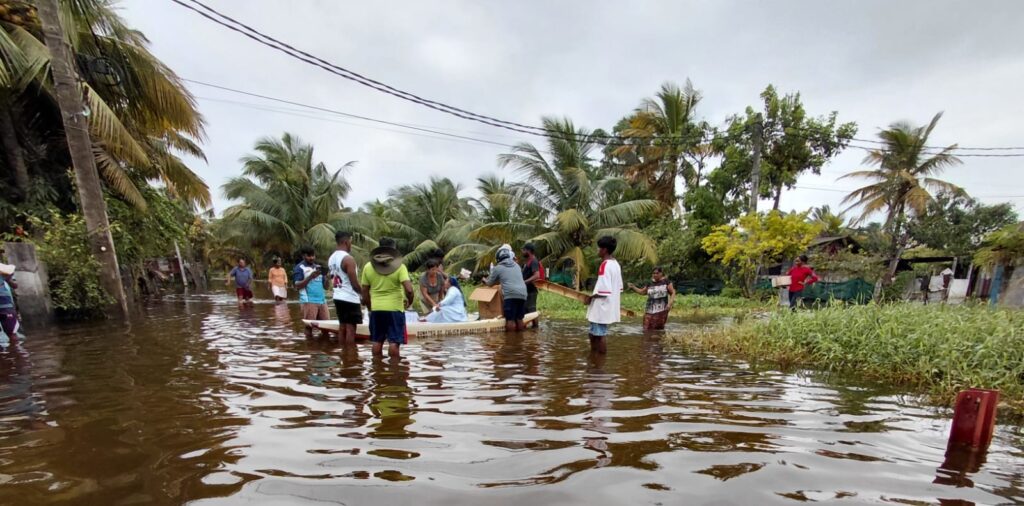
El 26 de noviembre de 2025, un sistema meteorológico ciclónico en el océano Índico se intensificó hasta convertirse en el ciclón Ditwah, que tocó tierra en Sri Lanka. El ciclón trajo consigo lluvias torrenciales, fuertes vientos y violentas tormentas que azotaron gran parte de la isla, especialmente las tierras altas centrales y las zonas occidentales, incluida la capital y las regiones circundantes. Esas lluvias desbordaron ríos, embalses y sistemas de drenaje —algunas infraestructuras cruciales, como las defensas contra inundaciones, no pudieron hacer frente a la situación— y provocaron inundaciones, deslizamientos de tierra y corrimientos de lodo catastróficos.
Impacto hasta ahora: número de víctimas mortales, daños, desplazamientos.
- El desastre se ha convertido en uno de los peores que se recuerdan en los últimos tiempos. Hasta ahora, el número de víctimas ha aumentado considerablemente: más de 330 personas, han fallecido y cientos siguen desaparecidas.
- Más de 1.3 millones de personas en toda la isla se han visto afectadas, muchas de ellas desplazadas, y un gran número de ellas se encuentran en refugios temporales o necesitan ayuda de emergencia.
- Miles de viviendas han quedado destruidas o gravemente dañadas; algunos informes estiman que se han , decenas de miles de casas perdido.
- Las inundaciones y los deslizamientos de tierra han afectado con especial dureza a las regiones montañosas centrales, dedicadas al cultivo del té, como Badulla y Nuwara Eliya, donde los desprendimientos de laderas han sepultado viviendas y cortado carreteras y conexiones ferroviarias.
- En la capital, Colombo, y sus alrededores, los suburbios y las zonas bajas se han visto gravemente inundados por el desbordamiento del río Kelani, lo que ha provocado evacuaciones y trastornos generalizados.
Aunque el ciclón inicial ya ha pasado, Sri Lanka sigue lidiando con consecuencias en cadena, como carreteras bloqueadas o destruidas y puentes derrumbados que dificultan las labores de rescate, socorro y reconstrucción, lo que hace que muchas zonas remotas sean de difícil acceso, además de interrupciones generalizadas en el suministro de electricidad, agua potable, comunicaciones y redes de transporte, y necesidades humanitarias masivas , ya que cientos de miles de personas desplazadas necesitan refugio, alimentos, atención médica y apoyo a largo plazo. Persiste la amenaza de desastres secundarios: los deslizamientos de tierra, nuevas inundaciones y la inestabilidad del terreno siguen siendo riesgos, ya que las laderas y las masas de agua aún no se han estabilizado.
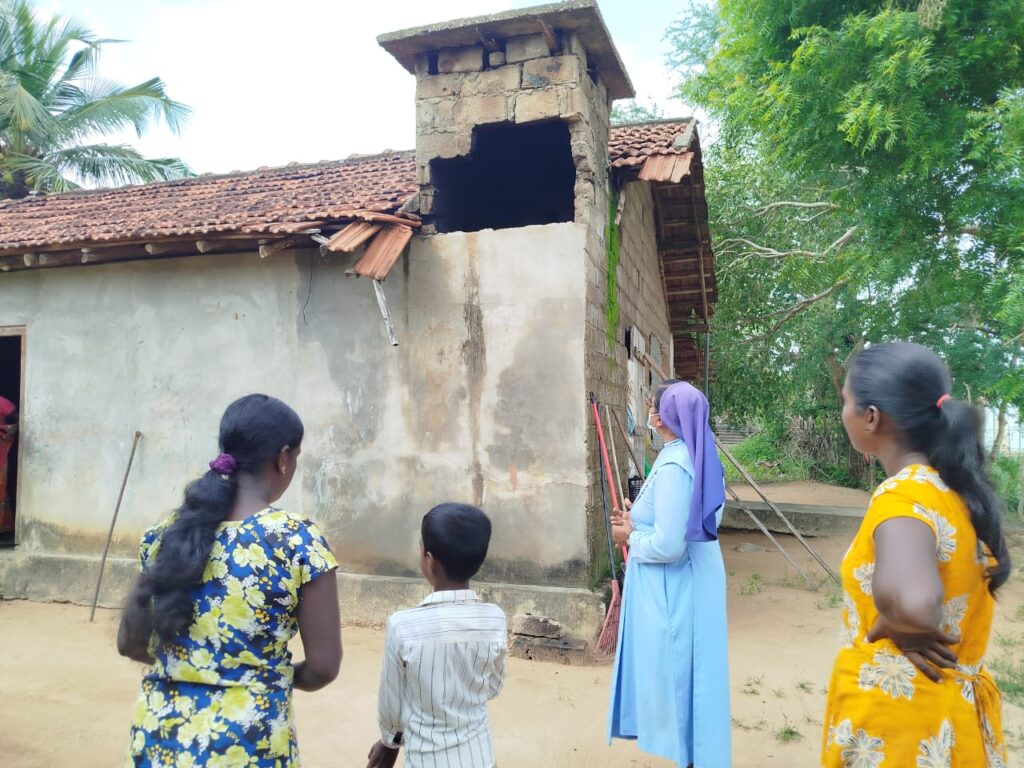
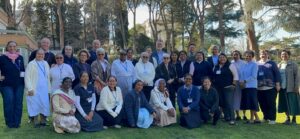
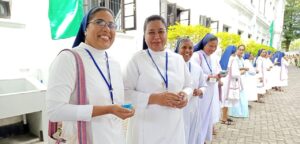
Algunos de nuestros conventos y varias familias de nuestras hermanas y parteners en misión se han visto afectados por desafíos continuos en sus comunidades locales. Si bien cada situación es única, el impacto se ha sentido en toda nuestra congregación mientras nos acompañamos unos a otros a través de la incertidumbre y las dificultades.
Seguimos profundamente agradecidos por la fuerza, la fe y la solidaridad mostradas por nuestras hermanas, y por el apoyo ofrecido por amigos y benefactores durante este tiempo. Continúe orando por nuestras comunidades y las familias de nuestras hermanas, mientras trabajamos juntas para garantizar que cada persona reciba el cuidado, el consuelo y la asistencia que necesita.
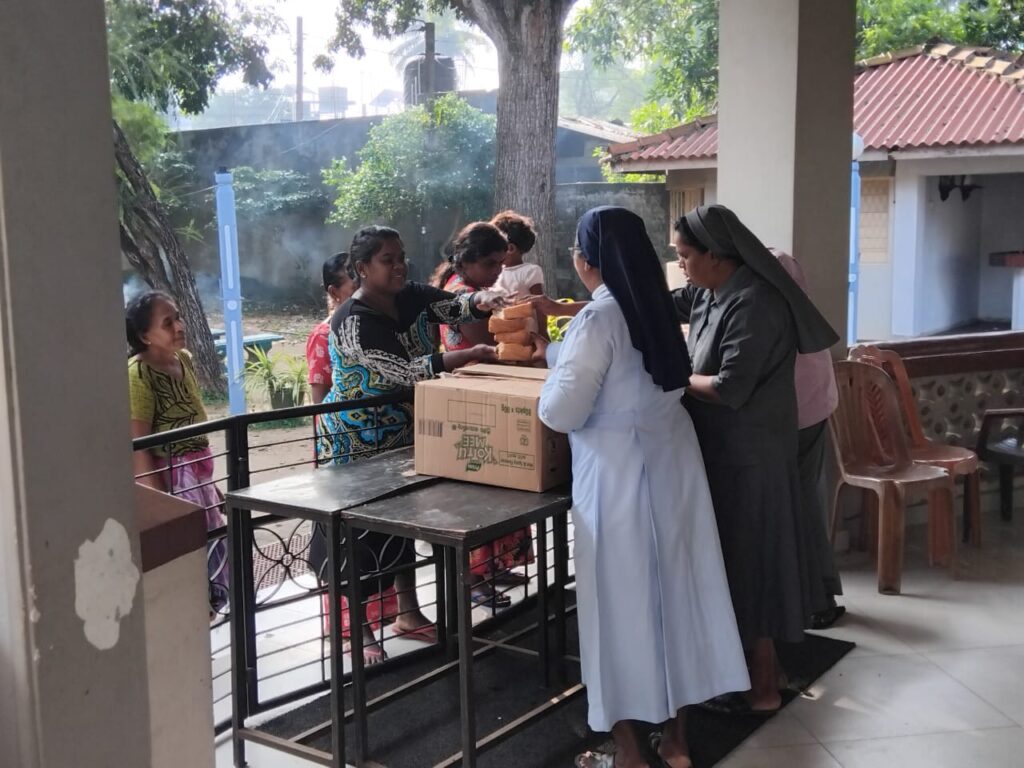
Las operaciones de socorro (que involucran a militares, policías, voluntarios y ayuda exterior) están en curso, pero dada la escala, el proceso de recuperación probablemente llevará semanas o meses.
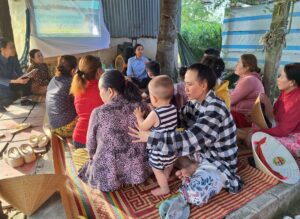
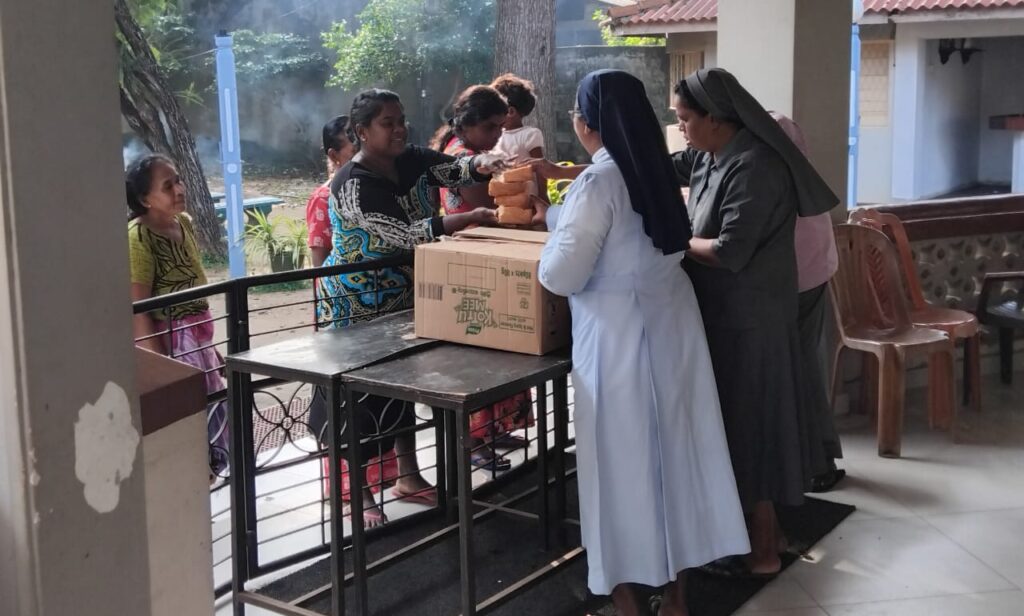
 Las hermanas y los partners en la misión viajaron a las zonas más gravemente afectadas por las recientes inundaciones, llevando consigo no solo suministros esenciales, sino también un espíritu de compasión y esperanza. Mientras recorrían las zonas damnificadas, escucharon las historias de quienes habían perdido sus hogares, sus pertenencias y su sensación de estabilidad. Con delicada atención, proporcionaron ayuda urgente —alimentos, agua potable, ropa y artículos de primera necesidad— a las familias que se habían quedado con tan poco.
Más allá de proporcionar apoyo material, nuestras hermanas ofrecieron consuelo, oraciones y una presencia tranquilizadora a quienes luchaban por superar las secuelas del desastre. Su dedicación y disposición para servir recordaron a todos que, incluso en momentos de dificultad, la bondad y la solidaridad pueden aportar luz. Sus esfuerzos ayudaron a restaurar la dignidad, inspirar la resiliencia y fortalecer los lazos dentro de la comunidad en un momento de gran necesidad.
Hay lugares a los que nadie ha podido llegar todavía. Estamos esperando hasta que encontremos alguna forma de llegar también a ellos.
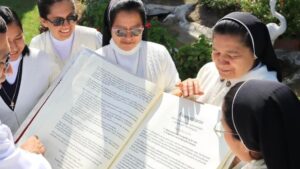
Descargue la carta de apelación de la Líder Congregacional Hna. Joan Marie López y la Directora de GSIF Cristina Duranti aquí.