Michelle Andrea Leandro Encinas will represent Bolivia in India as part of the ShakthiSAT Mission, an international initiative bringing together young women from around the world in the field of space science and technology. In this interview, carried out by Sonia Muraña from the Good Shepherd’s Programa NNA y Familia, she shares her journey, hopes, and what this opportunity means for her and for Bolivia before she set off on August 19, 2026.
What does it mean to you to represent Bolivia in an international STEM program in India?
It is a great honor to represent Bolivia in such an important project. This project focuses on female leadership. Adolescent girls and younger girls were able to take part in this major project. More than 12,000 girls participated in the program, which lasted six months. It began last year, and we completed the preparation stage only this June.
The program was divided into modules that had to be completed in full. The modules taught us programming and various techniques, such as assembling a satellite. They also focused on satellite projects that have already been sent to the Moon.
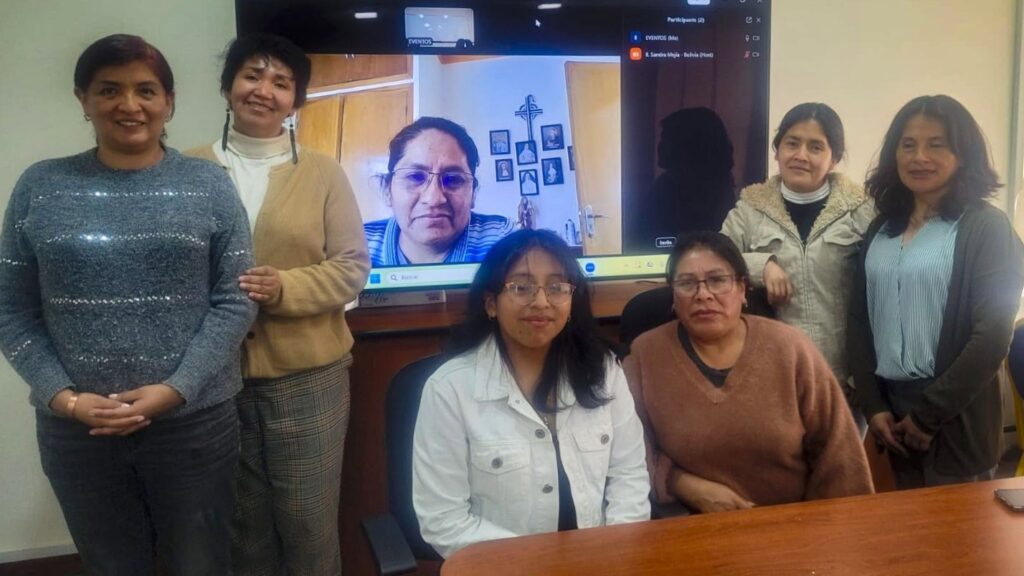
We will assemble the satellite in India. We were prepared through classes in basic mathematics, basic systems, and basic systems programming for what we are going to do in India.
Which experiences in the Good Shepherd Children and Adolescents Program helped you strengthen your leadership and believe in your abilities?
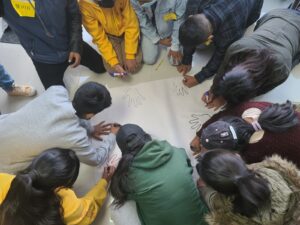
Thanks to God, the program gave me the opportunity to attend workshops. I was also part of Revolución Mariposa, which focuses on empowering girls and adolescents.
By empowerment, I mean encouraging or motivating all girls so that we can develop a better vision for the future and, from childhood, not set limits for ourselves or see economic circumstances or other more personal factors as barriers.
Did you ever doubt that you could achieve it?
At first, I had many doubts because I saw other participants who really knew a great deal and were very motivated. Because the course lasted several months, many dropped out or stopped submitting the activities.
I could not see clearly that I would be the one to make it or take first place. I did not believe it when I began, but the truth is that I put my whole heart into it from the beginning because I really liked the method we were shown. I also greatly enjoy putting together the systems programming and understanding the process that can take a satellite to the Moon.
What helped you keep going?
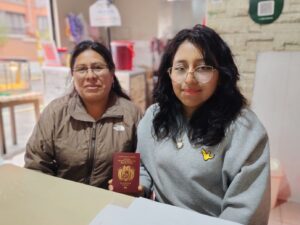
I think it was perseverance. A skill or value would perhaps be refusing to give up. One module was difficult for me, so I looked for ways to solve it.
I think that is perseverance: always looking for a solution. If I did not fully understand a lesson, I looked for other study methods—for example, books online that could help me or supplement what I had learned.
What would you like to show others about Bolivia, and what message do you want to share with girls and adolescents from other countries?
From my country, I would like to share Bolivia’s rich culture, because we are always surrounded by tradition and culture. But the message I would like to share from the program I am part of is one of leadership and female empowerment.
No young woman or girl should face limits from a very young age. I have been part of the program since I was five years old, and I am now 19. It is a program that has accompanied me from childhood through adolescence to the present day.
I want them to always see the possibilities before them: to view workshops, any opportunities available to them, or additional classes offered to them as opportunities and to take full advantage of them.
I want to be an example that you do not necessarily need to have everything to achieve what you truly want. You can come from anywhere, but if you have a goal and truly want it, you can achieve it by making the most of the opportunities offered to you.
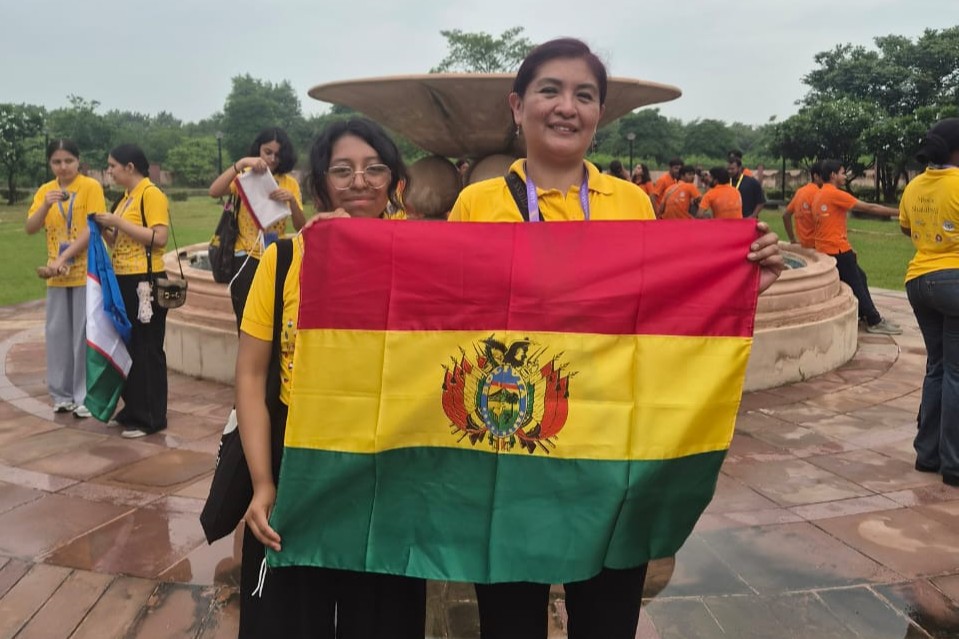
What are your dreams and challenges now in science, technology, and innovation?
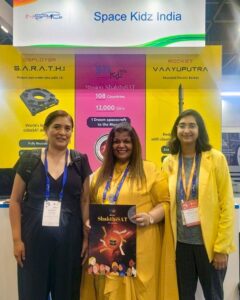
My dreams and goals for the future are to continue my studies, perhaps in the aerospace field. That specific degree is not available in Bolivia, but I might study a related field such as systems engineering.
I want to continue my studies and, if I have the opportunity, help other girls or serve as an example for the many girls who are truly looking for a way forward.
What would you say to girls and adolescents who have a dream but feel that their circumstances or difficulties prevent them from achieving it?
Where you come from or where you are from really does not matter; what matters is what you truly want in life and the goals you set for yourself. The important thing is to keep searching, never become stuck in one place, and not wait for opportunities to come to you. Go out and seek opportunities; explore what you want; do not give up; be clear from the beginning about what you are seeking; and know that there are no limits to what you can accomplish. Wherever you come from, be proud and show that, regardless of your circumstances, you can accomplish many things.
What would you say to the sisters of the Congregation of Our Lady of Charity of the Good Shepherd?
Thank you very much. All the projects you have launched and all the help you have given me have helped me a great deal.
Thanks to God, I had the opportunity to be part of the program and to take part in all the workshops and opportunities you gave us: leadership workshops, self-expression workshops, and even educational workshops. They helped me a great deal, and I have no doubt that, because of them, many girls are changing the way they think and what they aim for in life.
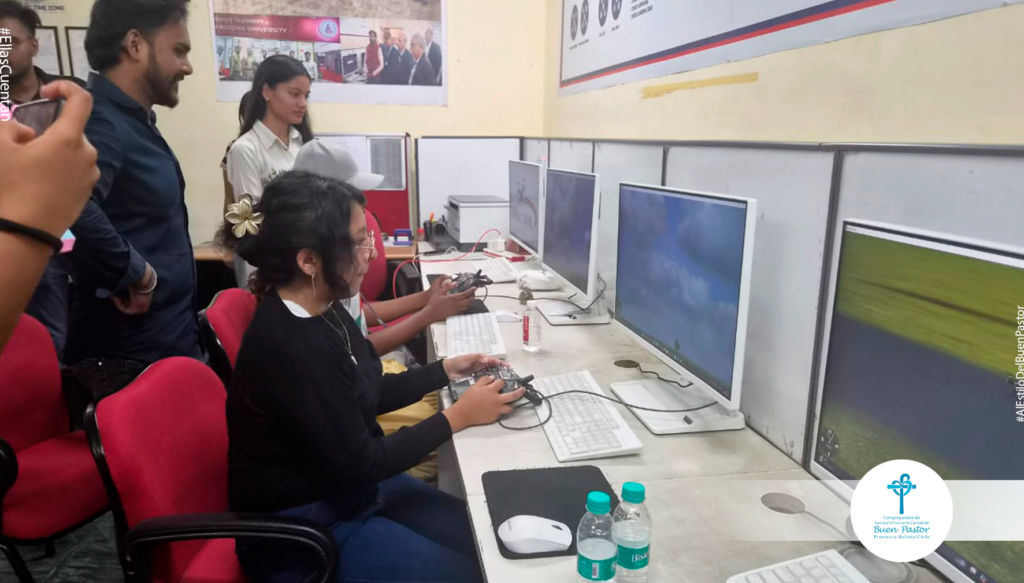
Perhaps before, the thought was: ‘I will finish school and go to work or look for opportunities in another country.’ There is nothing wrong with that, but they could also look further.
I believe the sisters have always seen that girls have great potential, and their message is about leadership and supporting girls. I think that is very, very good.