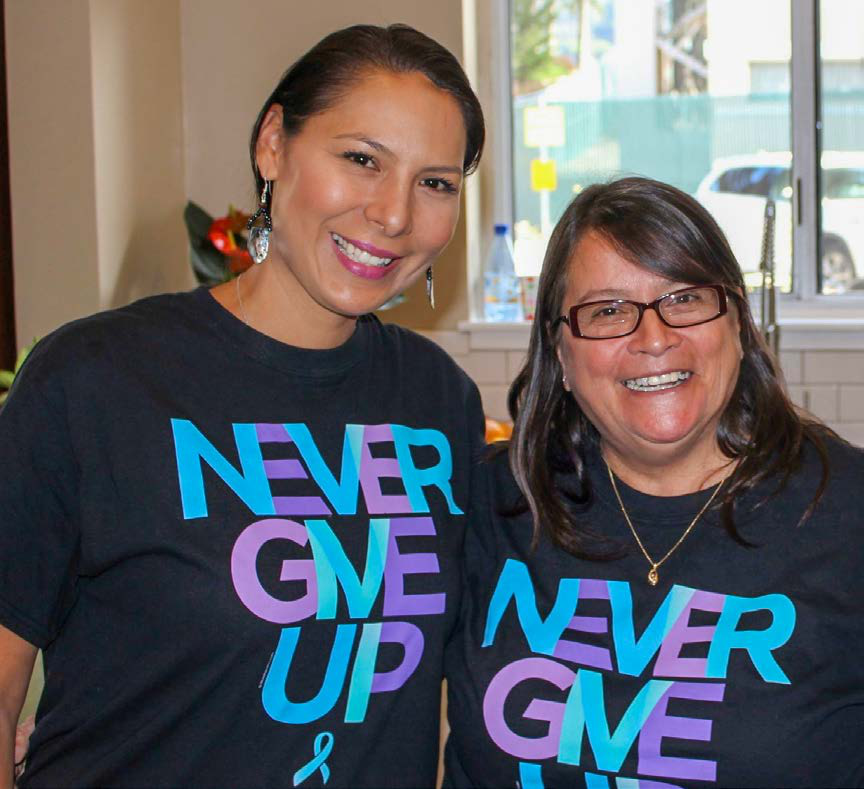
 Good Shepherd Gracenter, often called Grace Centre, traces its roots to 1932, when the Sisters of the Good Shepherd established the University Mound School for Girls in San Francisco to provide safety, education, and stability for girls placed by the juvenile justice system. In 1961, recognizing that many young women had nowhere to go after turning 18, the sisters partnered with local unions and donors to build a transitional home—Grace Cottage, later known as Grace Center—entirely through donated labor and materials. By the late 1980s, the mission evolved into a licensed recovery residence supporting women seeking long-term healing and stability. Today, this Good Shepherd ministry provides women a safe, homelike recovery residence.
Here we share an extract of a recent interview carried out by Sister Monique Tarabeh with Sister Marguerite Bartling, executive director of Grace Center. Sister Marguerite holds a master’s degree in social work, certification in drug and alcohol studies, and completed administrative studies in social work at San Francisco State University.
Sr. Monique: If I were to walk through the front door today, I would likely notice the pace of a real household and the steadiness of the staff. Help readers picture the rooms, the people, and the daily rhythm.
Sr. Marguerite: We can serve 18 women. We recently added five bedrooms thanks to a remarkable gift. Right before the COVID pandemic, a women’s recovery home closed and decided to distribute its assets to three programs. One Friday, the board president called and invited us to apply. The grant was very generous. It let us expand at the right moment. Today, we have a case manager, afternoon staff who prepare a home-cooked supper, an overnight staff member, and a program manager who coordinates services and professional development. We are a licensed facility, staffed around the clock, and we maintain a homelike atmosphere. The sisters live on the property, which adds to the sense of safety.

Sr. Monique: I appreciate how you link welcome with accountability. Dignity is not an idea for you. It shows up in how a woman is received on day one. Walk us through those first steps and how affordability stays central.
Sr. Marguerite: We begin with dignity. Many arrive homeless, undereducated for sustainable employment, carrying legal obligations like probation or mandated classes, and often feeling shame. We stabilize first, then invite each woman to set goals that reflect her real hopes, including education at nearby City College, health care and mental-wellness, family reconnection, transportation, and leads for job opportunities. We charge on a sliding scale because recovery should not be a luxury. One woman told us it took two weeks before she could answer a simple question: What do you want to do? No one had asked her before. Treating each woman as a person of worth changes the trajectory.
Sr. Monique: Let me name something for readers. Grace Center is not a hospital unit and is not primary treatment. You describe a recovery residence that makes sobriety livable. Please say more about that mentoring model and why the structure matters.
Sr. Marguerite: We focus on recovery mentoring. Most residents come after three months of primary treatment and keep their therapists and recovery sponsors. Our staff provides structure, accountability, and practical support so the work of recovery can stick in real life. The daily rhythm matters. Supper is hot. Someone is always on duty. Goals are reviewed. Court requirements are met. Step by step.
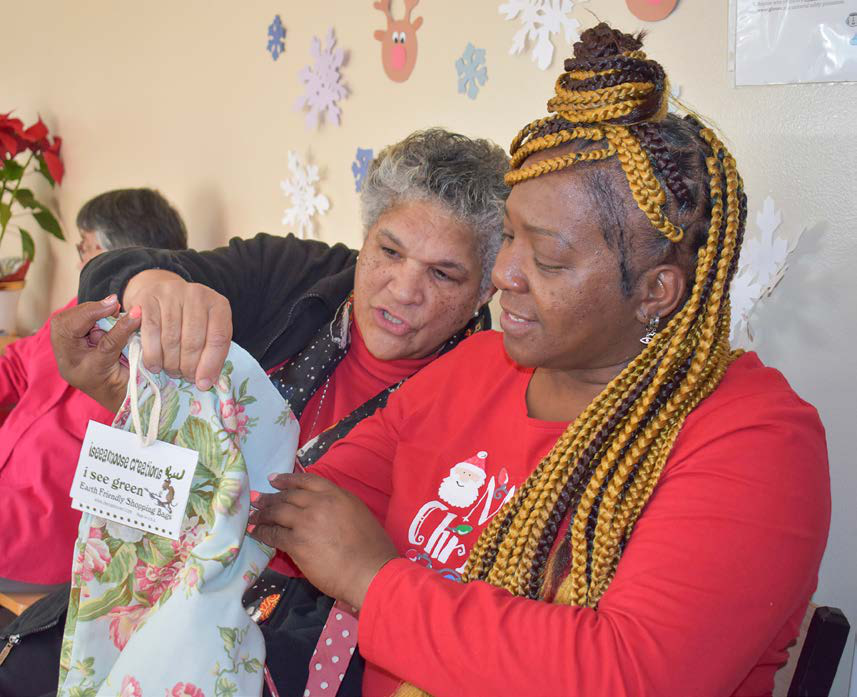
Sr. Monique: The fruits are often quiet and steady, yet some stories shine like beacons. Can you share a few outcomes that capture the ripple effect when a woman grows healthy and stable?
Sr. Marguerite: The ripple effect is real. When a woman becomes healthy, she can support her family and contribute to a safer community. Some stories shine. One graduate founded Rocket Dog Rescue, which has placed thousands of dogs into forever homes. Another started a recovery program for women with children. We see restored relationships, stable housing, honest work, and the quiet pride that comes with keeping a promise to oneself.
Sr. Monique: I love that recovery also makes space for joy. Houses like yours laugh, celebrate, and even adopt. Give us a light moment or two that still makes you smile.
Sr. Marguerite: Two come to mind. One day, that Rocket Dog Rescue graduate diverted on her way to our party to save two dogs scheduled for euthanasia. She arrived with a puppy that stole everyone’s heart. We kept her and named her Gracie. She has been a therapy dog in her own way. I often hear a resident whisper, “I love you, Gracie.” Our other friend is a cat who chose us before COVID. We named her Rosie for Saint Mary Euphrasia. Rosie appears for breakfast and supper—never lunch—which tells me she keeps a second household. Gracie and Rosie coexist peacefully indoors. Outside, there is a bit of a chase. The pets provide comfort, laughter, and a feeling of home.
Sr. Monique: Partnership is a thread from the first page of your history. Teas, unions, banks, donors, neighbors. Tell us about the companions who have stayed with you the longest and how their presence still shows up.
Sr. Marguerite: Our Women’s Guild began in 1932. Their first tea was on September 16 of that year. They have supported our mission partners and fundraising ever since. From the Irish Hibernia Bank that took a chance on us decades ago, to the unions that built our transitional home, to donors who answer the phone on a Friday afternoon with unexpected grace, we see the same pattern. God sends people.
Sr. Monique: Bring us to right now. You are welcoming new leadership on the team and discerning growth with care. How many women are with you at the moment, and what does healthy growth look like in the next season?
Sr. Marguerite: We have 10 women in residence and a capacity for 18. A new program manager just joined us and brings strong community connections. Our goal is to fill every bed with women who are serious about recovery. Growth for us is not numbers alone. It is deeper services, wiser partnerships, and a house that stays gentle, safe, and steady.
Download Circle of Blessings aquí to read the entire interview (in English).
To learn more about program details, volunteer opportunities or giving options to support the work of Grace Center, visit: www.gsgracenter.org