By Sister Hanitra and the Fihavanana Center team
As the 2025–2026 academic year comes to an end in Madagascar, el Centro Fihavanana is celebrating the progress of 177 children and young girls who continued learning despite a year marked by civil unrest, severe flooding, and Cyclone Gezani.
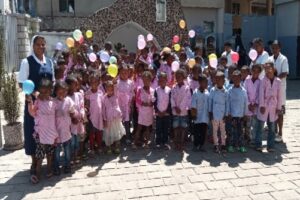 Located in Mahamasina, near the center of Antananarivo, Fihavanana provides children and young women in vulnerable situations with learning opportunities, vocational skills, and a stable environment where they can prepare for the future.
Students attend the Center from Monday to Friday and receive two meals each day. For many, the food provided at Fihavanana was their only reliable meal of the day, making the continuation of its services especially important during periods of economic and social disruption.
This academic year, teaching was repeatedly interrupted. Youth-led demonstrations began in September 2025 amid public concern over chronic water and electricity shortages, bringing insecurity and school closures to central Antananarivo. In February 2026, Cyclone Gezani devastated areas of eastern Madagascar and brought heavy rain and flooding to the capital.
When flooding forced Fihavanana to close temporarily, its support for families continued. The team distributed food as parents, many of whom were unable to work because of the conditions, came to the Center seeking assistance.
Encouraging children to return after these interruptions was another challenge. Attendance declined, and some struggled to re-engage with their studies. Teachers and training staff worked closely with families, meeting with parents and finding new ways to motivate participants. Their commitment helped most of the children and young women return and complete the academic year with encouraging results.
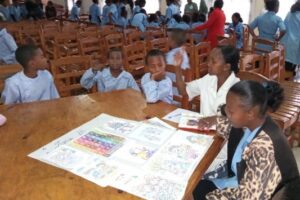
Among the most significant developments of the year was a change to the Center’s educational approach. Beginning in January 2026, Fihavanana moved from its previous preschool, literacy, and catch-up sections toward classes more closely aligned with Madagascar’s national curriculum.
Although the Center does not yet have a CM2 class—the final year of primary education—six children who had made sufficient progress were entered for their first official state examination. As the year concluded, the community celebrated the success of three of these children, who passed the examination.
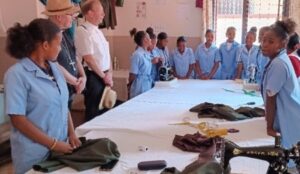
La vocational program for adolescent girls also adopted a more personalized approach. Second-year students were able to select a specialization connected to their interests and hopes for the future. Sixteen chose dressmaking, eight selected embroidery and basketry, five specialized in pastry and cooking, and four pursued crochet work.
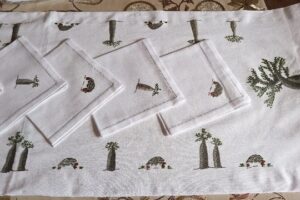
The outcome of their work was visible during the end-of-year presentation of their garments, food products, and handicrafts. More importantly, the Center recorded fewer absences and fewer participants leaving the program among those who had chosen a specialization. Giving the young women greater ownership of their formation helped them remain focused on developing skills that could lead to employment, income, and greater independence.
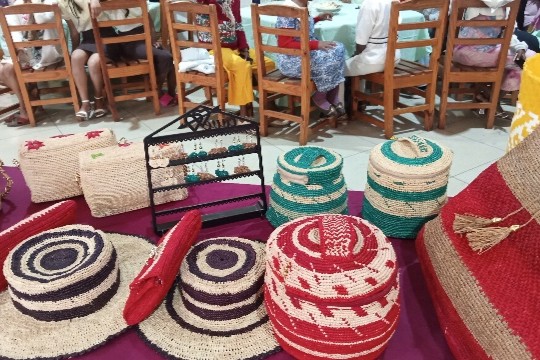
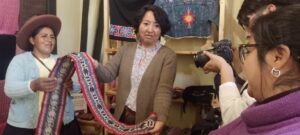
As graduates prepare to take their next steps, access to markets remains an important challenge. The Center has a small workshop where products made by girls and women are displayed and sold. Purchases and orders from visitors have already enabled some women to earn an income and contribute to their households. However, the available space is limited, and finding additional places where graduates can sell their work is now one of Fihavanana’s priorities.
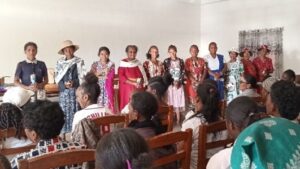
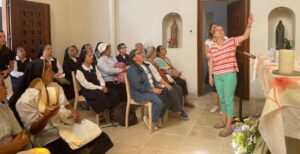
Education at the Center also continued beyond the classroom. Sessions for parents explored their responsibilities in supporting children’s education, as well as children’s rights, women’s rights and current health concerns. Sponsorship partners helped children remain in school, while university students undertook placements and contributed to the Center’s activities.
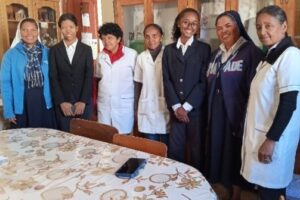
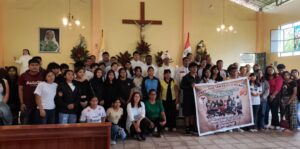
The end of the academic year offers an opportunity to celebrate examination successes, practical skills acquired and confidence restored. It is also a reminder of the perseverance required of our sisters, partners-in-mission, staff, and students required to achieve these results.
The experience of Fihavanana during 2025–2026 reflects what the Good Shepherd mission can offer in times of uncertainty: continuity when daily life is disrupted, practical support when families face hunger, and opportunities that enable children and young women to shape their futures.