Laudato Si’ – meaning ‘Praise be to you’ – is Pope Francis’s 2015 encyclical on care for our common home. Addressed to every person, it asks us to recognize that environmental, social, economic, and spiritual crises are connected – and that our response must be connected too.
Its vision of integral ecology brings together care for Earth, human dignity, the common good, and responsibility to future generations. It calls for dialogue and action on climate change, pollution, biodiversity loss, unequal access to resources, poverty, and the throwaway culture.
More than a decade after Laudato Si’, the International Theological Commission’s 2026 document Caring for Our Common Home: A Responsible and Fraternal Response to the Triune God develops this teaching further. Published with the authorization of Pope Leo XIV, it calls for an ecological conversion that changes not only our actions, but also how we understand our place within creation.
The document proposes describing serious harm to our common home as a “sin against creation and against the Creator.” This recognizes both the damage inflicted on nature and the rejection of God’s plan, which entrusts humanity with the stewardship and care of creation. Such harm distorts our relationships with God, with one another—especially people experiencing poverty and future generations—and with creation itself.
Ecological conversion therefore calls us to restore these relationships through prayer, responsible choices, solidarity and collective action.
Care for creation is not separate from the Good Shepherd mission. Our spirituality recognizes that life is interconnected and calls us to live justly in relationship with all creation.
Ecological harm is also a justice issue. It falls hardest on people living in poverty and can intensify displacement, unsafe work, hunger, water insecurity, and violence. Girls, women, and children are often among those most affected.
At the 31st Congregational Chapter, Our Lady of Charity of the Good Shepherd committed to aligning our Congregational response with the Laudato Si’ Action Platform. This commitment shapes how we pray, live, serve, manage resources, advocate, and form partnerships.
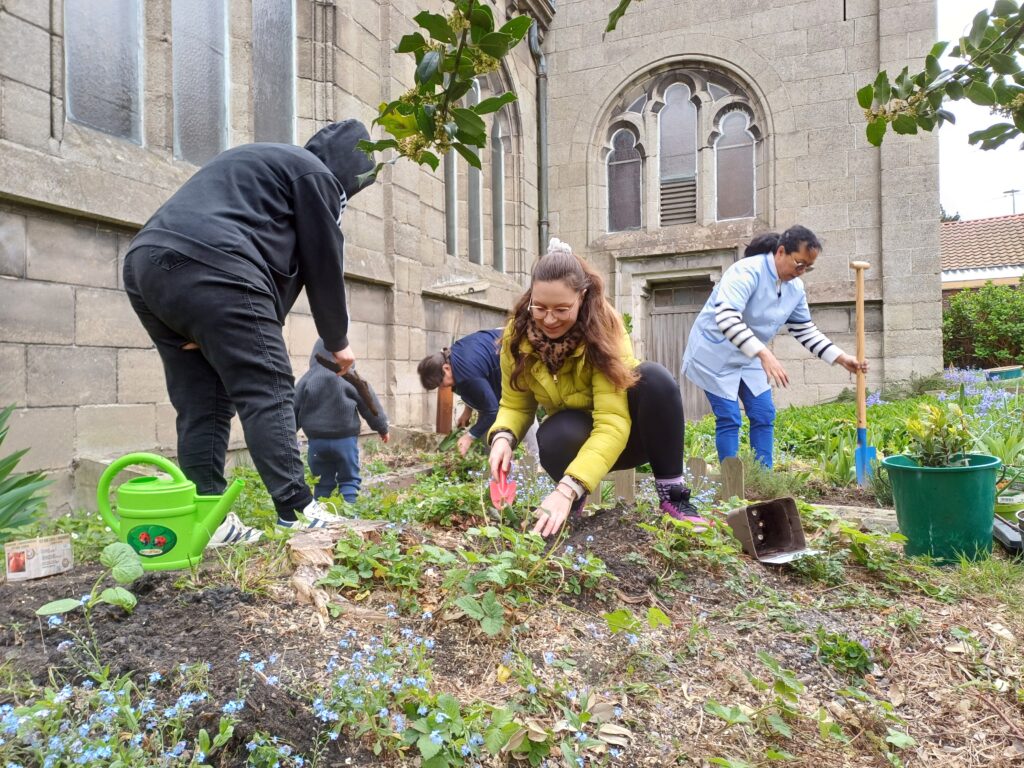
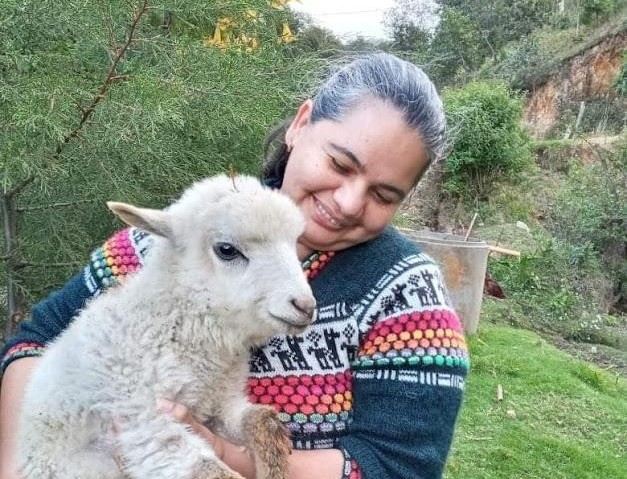
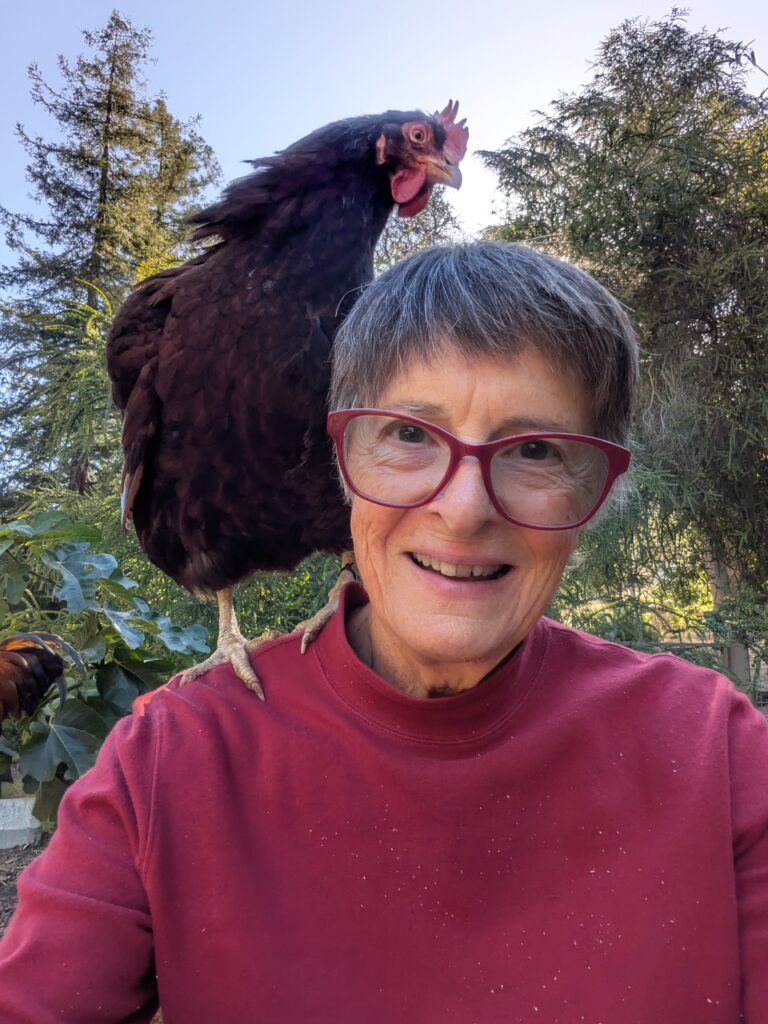
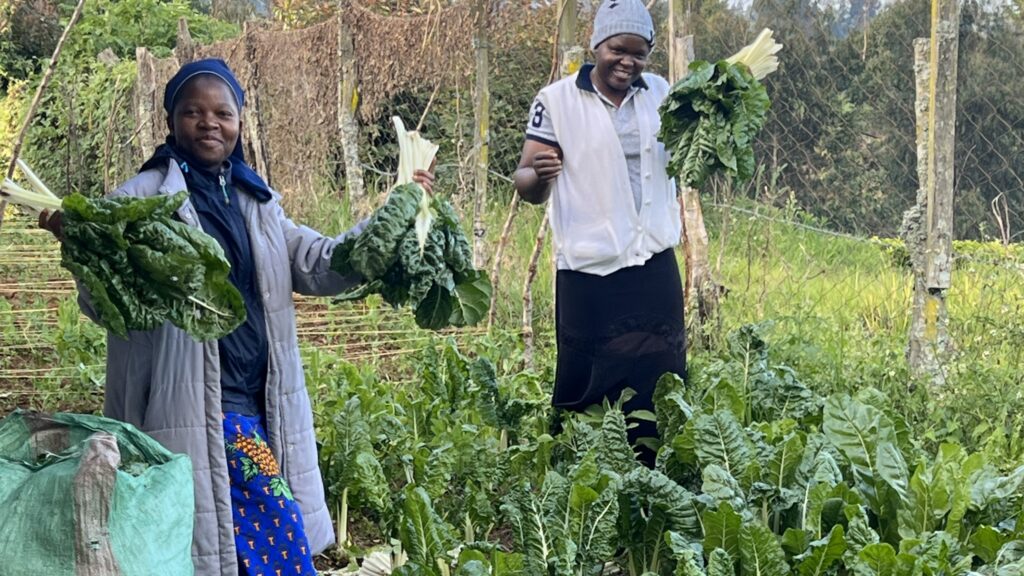
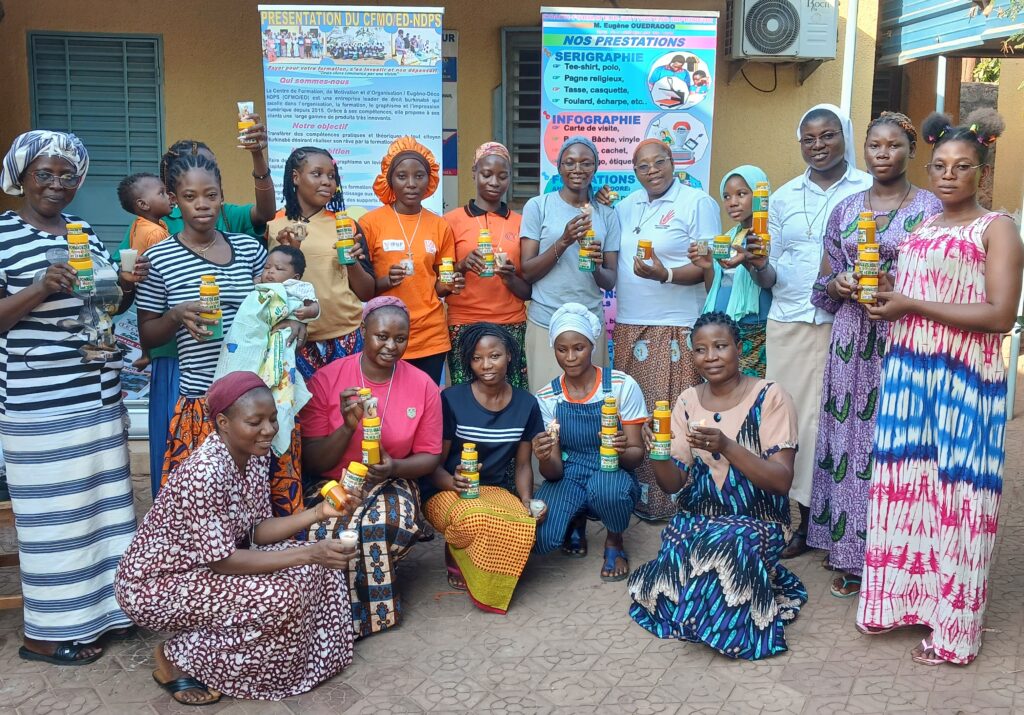
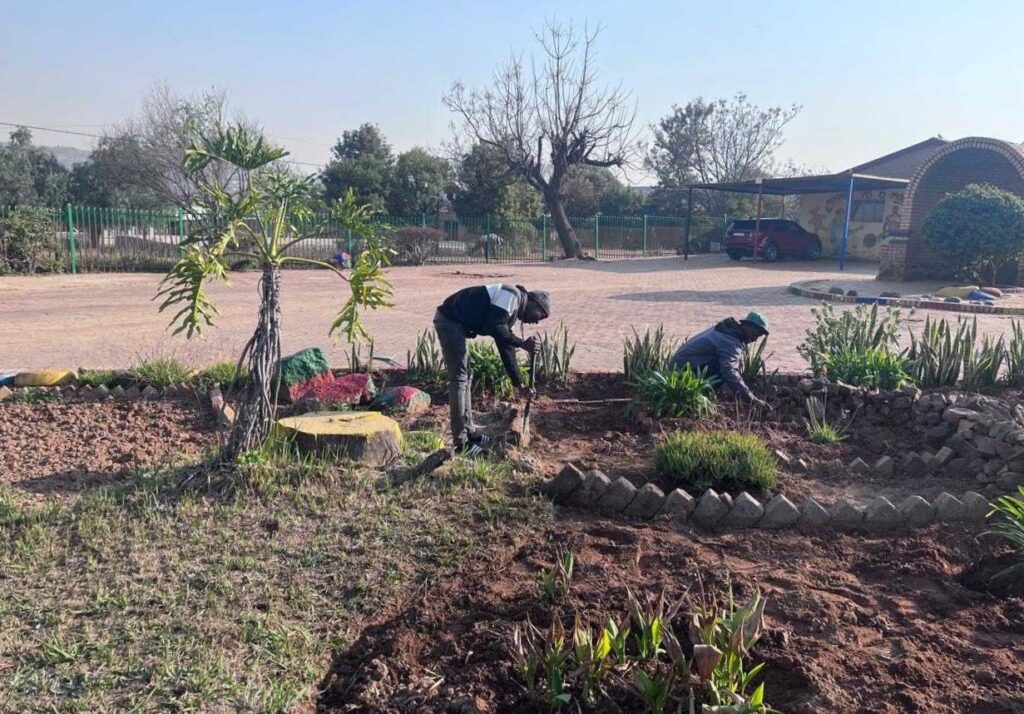
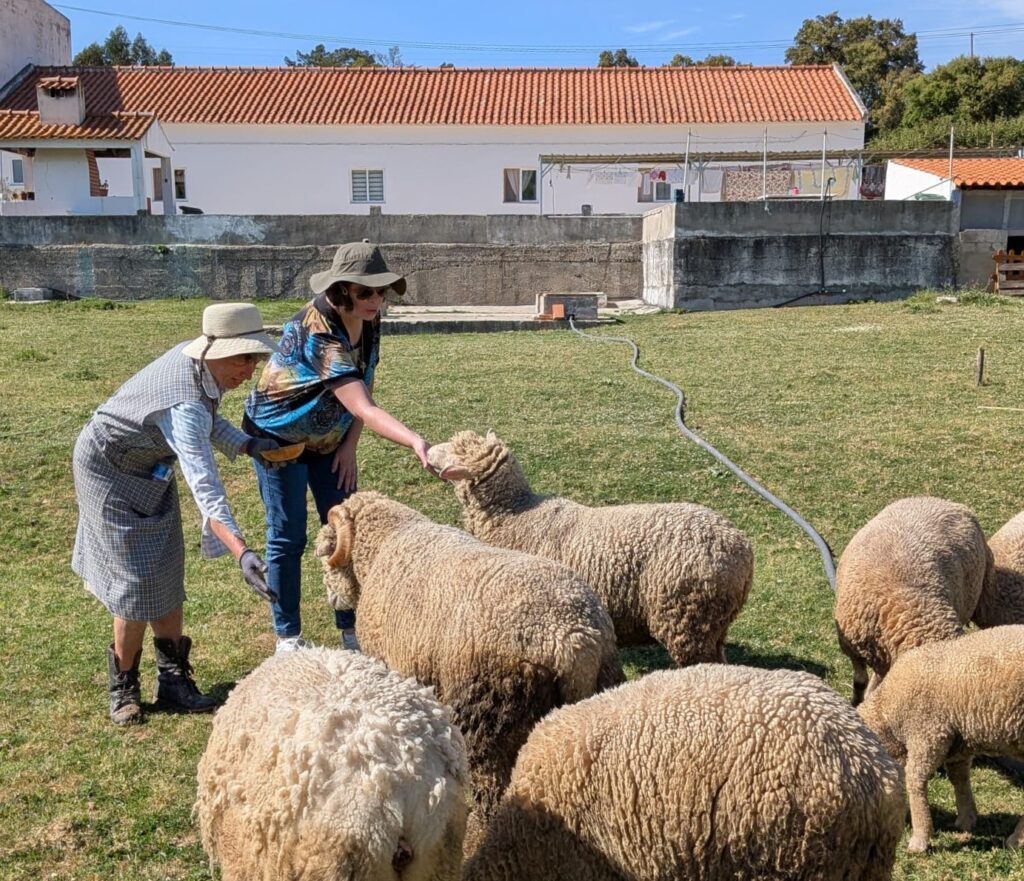
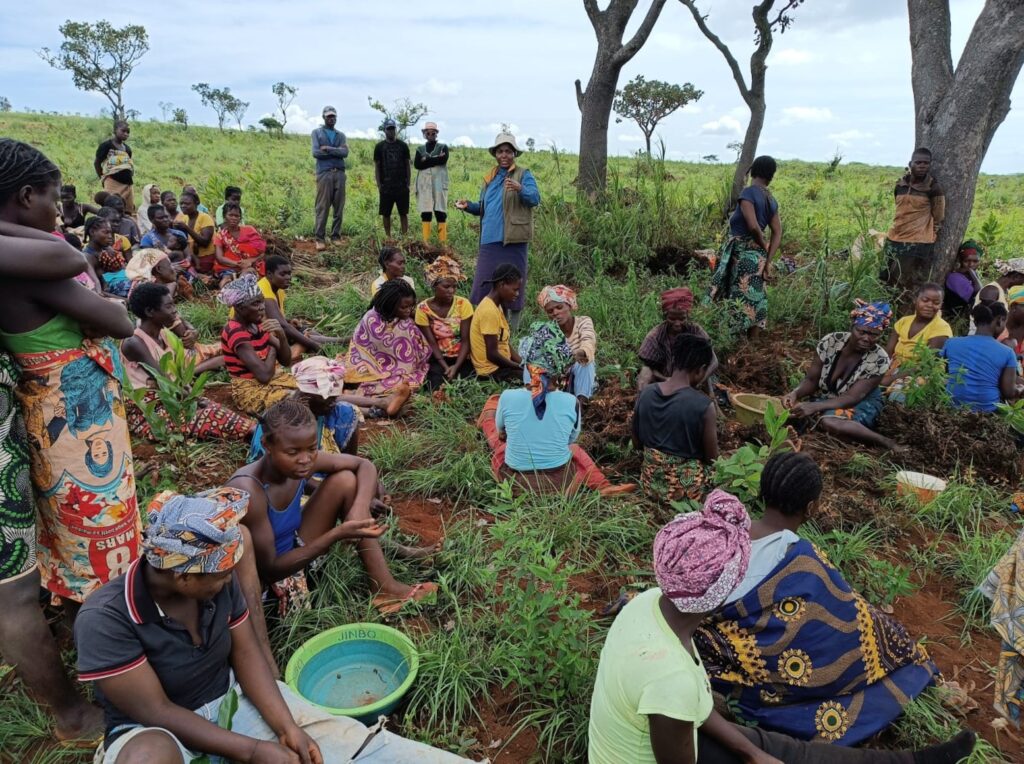
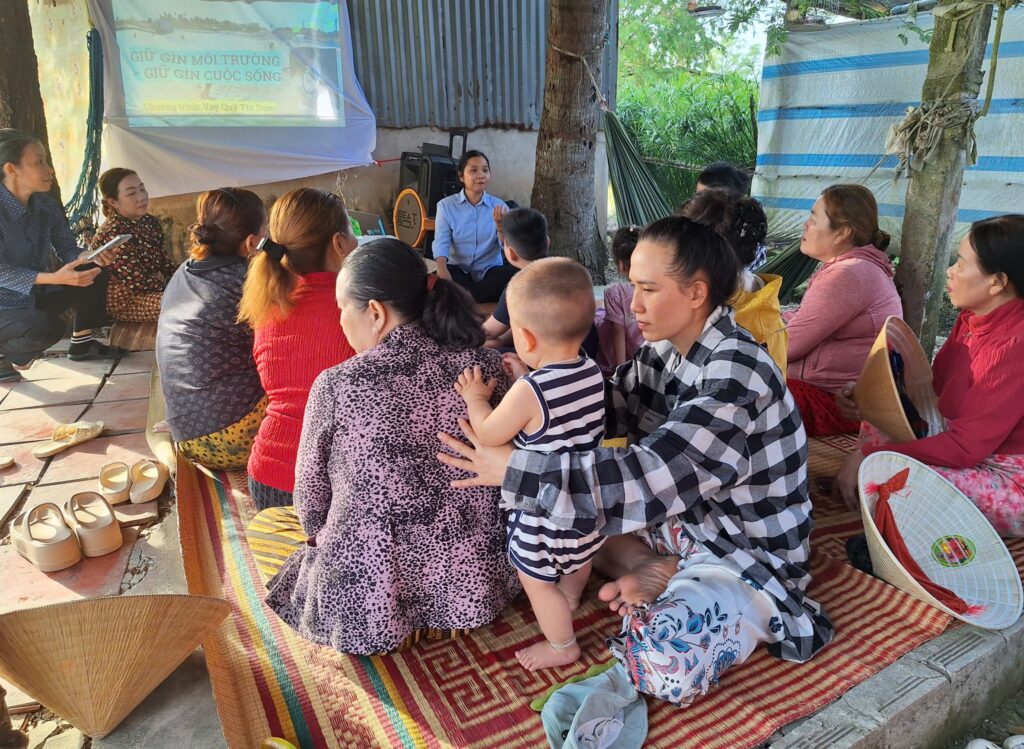
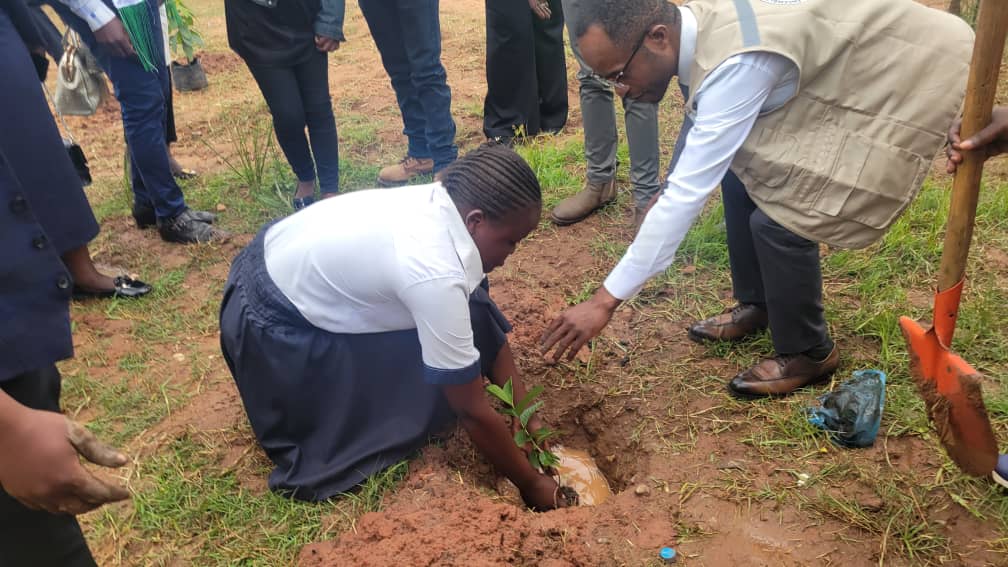
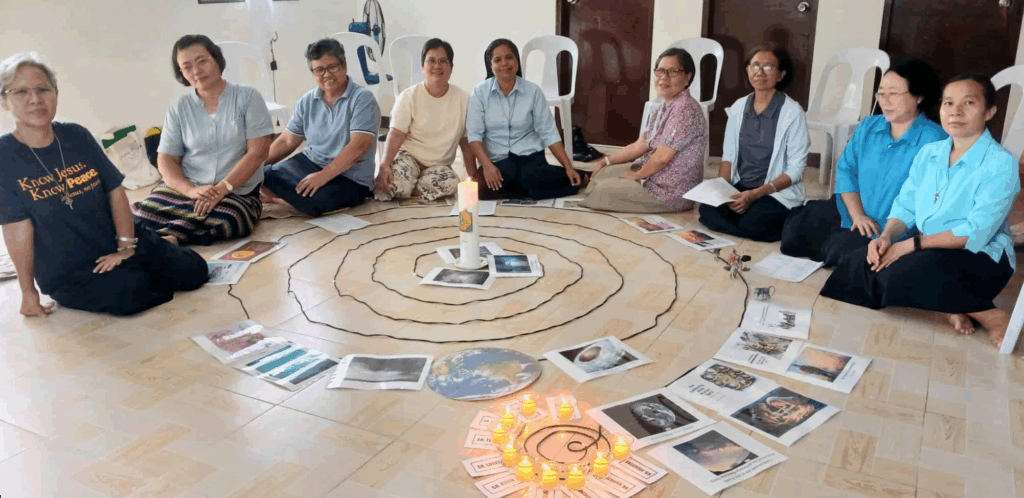
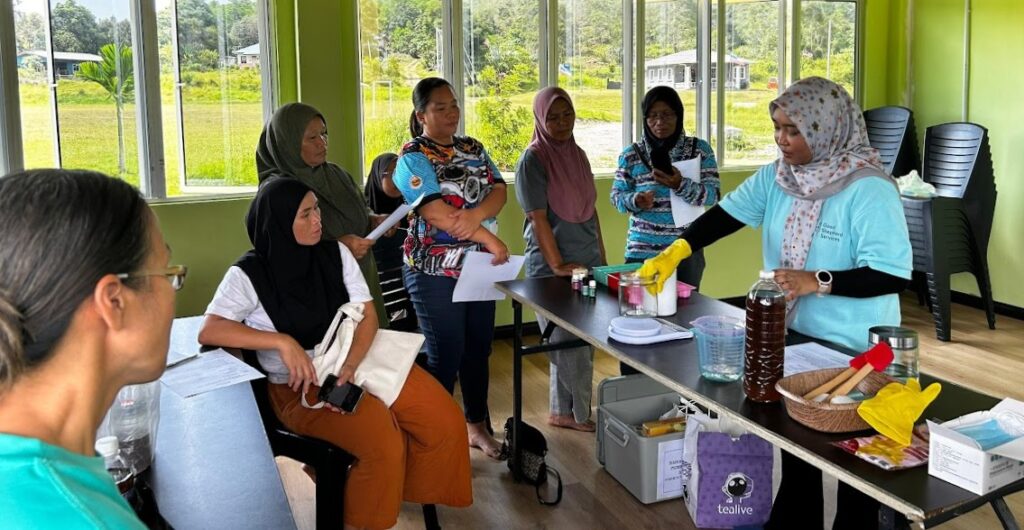
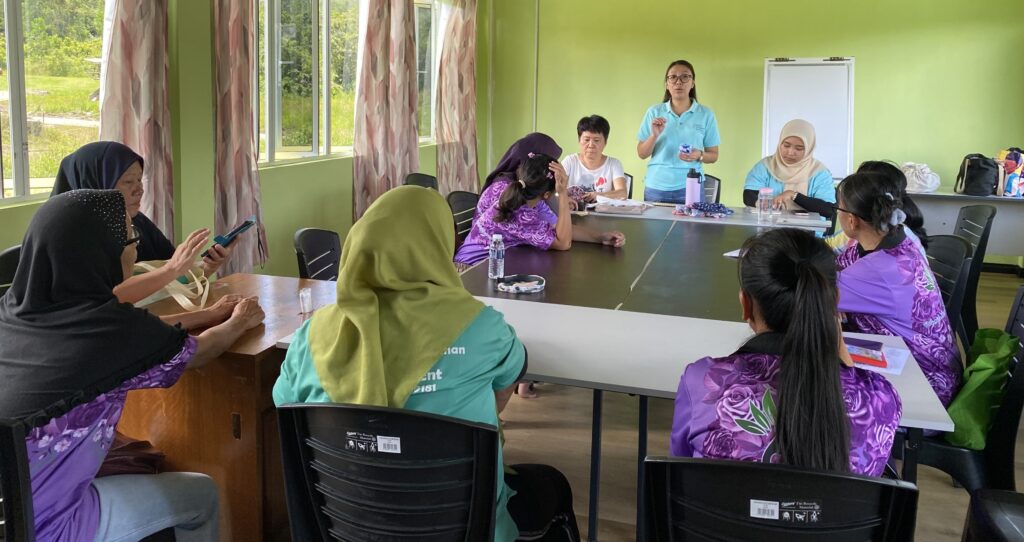
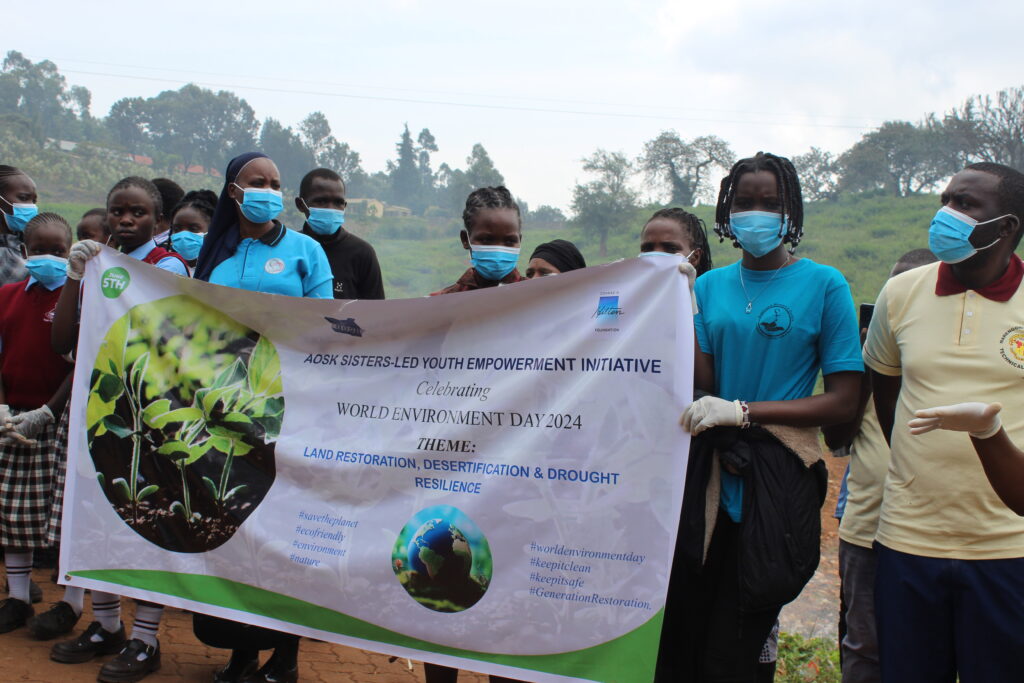
Our response takes different forms according to local realities. Across the global Good Shepherd mission, sisters and partners-in-mission are:
Good Shepherd International Justice and Peace advances rights-based ecological advocacy, while Good Shepherd International Foundation supports projects that connect dignity, livelihoods and environmental sustainability.
You do not need to begin with a large project. Start with what is possible in your context, involve the people most affected and choose one action you can review and strengthen.
This annual eight-day campaign invites communities to take a concrete step toward integral ecology. In 2026, it was held from May 17 to 24 under the theme ‘From Hope to Action.’
From September 1 to October 4, Christians worldwide unite in prayer and action for our common home. The 2026 theme is ‘Living Water,’ with the symbol ‘Immersion in Living Water.’
A global Catholic movement that brings people and organizations together in prayer and action for climate and ecological justice.
A UISG initiative that helps women religious congregations and their collaborators respond to Laudato Si’.
Connect your community with others committed to healing our common home through prayer and Eucharistic adoration.
Use the seven goals to create a plan, take action and track progress as an individual, family, community or institution.
Has your community, ministry, school, or project responded to the Call to Action or brought Laudato Si’ to life? Tell us what you did, what changed, what you learned, and whose voices shaped the response. Your experience may help another part of the global Good Shepherd family begin.
Discover how Good Shepherd communities and ministries are putting integral ecology into practice.
Kenya, Congo, South Sudan, Uganda
Madagascar, Mauritius, Reunion
Senegal, Burkina Faso
Belgium, France, Hungary, Netherlands
Costa Rica, Guatemala, Panama, El Salvador, Nicaragua, Puerto Rico, Honduras
Brazil, Paraguay