Edited from an article by Judith Dumbutshena, Communications Link, South Africa
Every year on July 18, the birthday of Nelson Mandela, affectionately known as Madiba, people across South Africa and the world pause to honor a man who gave 67 years of his life to the pursuit of justice, freedom, and human dignity. That number—67—has become a symbol of selfless service, an invitation for each of us to dedicate at least 67 minutes of our time to someone in need.
For South Africans, Mandela Day carries a particular weight. Madiba’s life was lived against the backdrop of apartheid, a system that denied millions their dignity, fractured communities, and left deep wounds in the fabric of society. Port Elizabeth, where the Akhanani Good Shepherd Mission is rooted, bears those scars still—in its under-resourced neighborhoods, in families navigating poverty, and in children whose futures hang in the balance. It is here, in the very places where injustice has left its mark, that the message of Mandela Day is most urgent.
Mandela believed, with unwavering conviction, that freedom carries responsibility. “The time has come,” he said, “to accept in our hearts and minds that with freedom comes responsibility.” It is this spirit—of accountability to one another, of caring for the most vulnerable—that lies at the heart of what we do as sisters and partners-in-mission. The Good Shepherd mission has long understood that responding to the suffering of girls, women, and children is an act of our universal culture of justice – it is what it means to be a reconciling presence in the world.
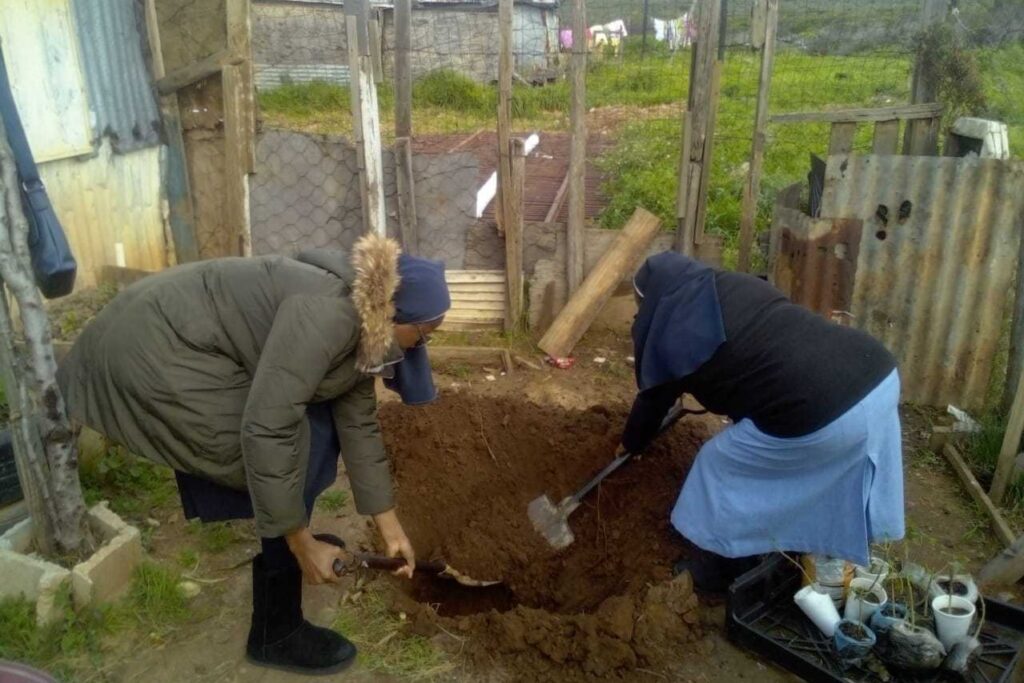
This year, at the Akhanani Good Shepherd Mission, sisters planted pawpaw trees in Ward 29, symbolizing growth, sustainability, and future food security for local families. The Good Shepherd community’s commitment to integral ecology, to the care of the earth and the flourishing of communities, was made visible in the turning of soil and the planting of seeds.
While the Mission’s arts and crafts group crocheted a blanket and a pair of sleeping socks, which were presented by children from the School Winter Holiday Program to an elderly community member—a gesture that carried far more than warmth.
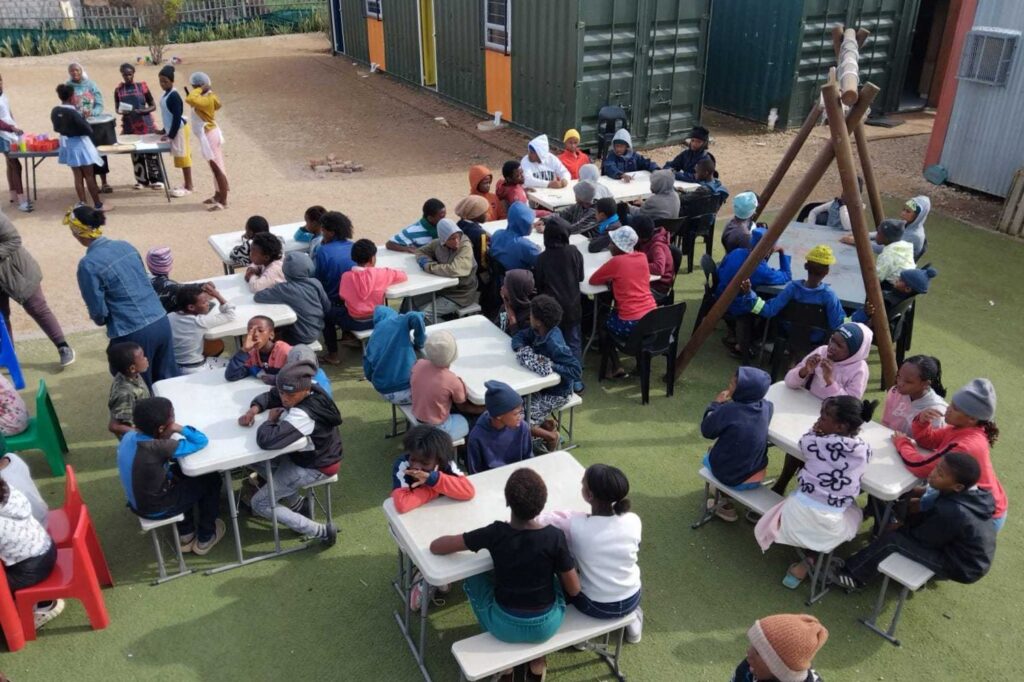
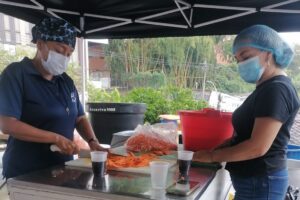
At the Mission center itself, children from the aftercare program prepared and served warm soup to fellow participants. In doing so, they embodied something Mandela knew well: that generosity and leadership are not reserved for the powerful. They can begin with simple acts carried out by the young to give what you have to someone who needs it.
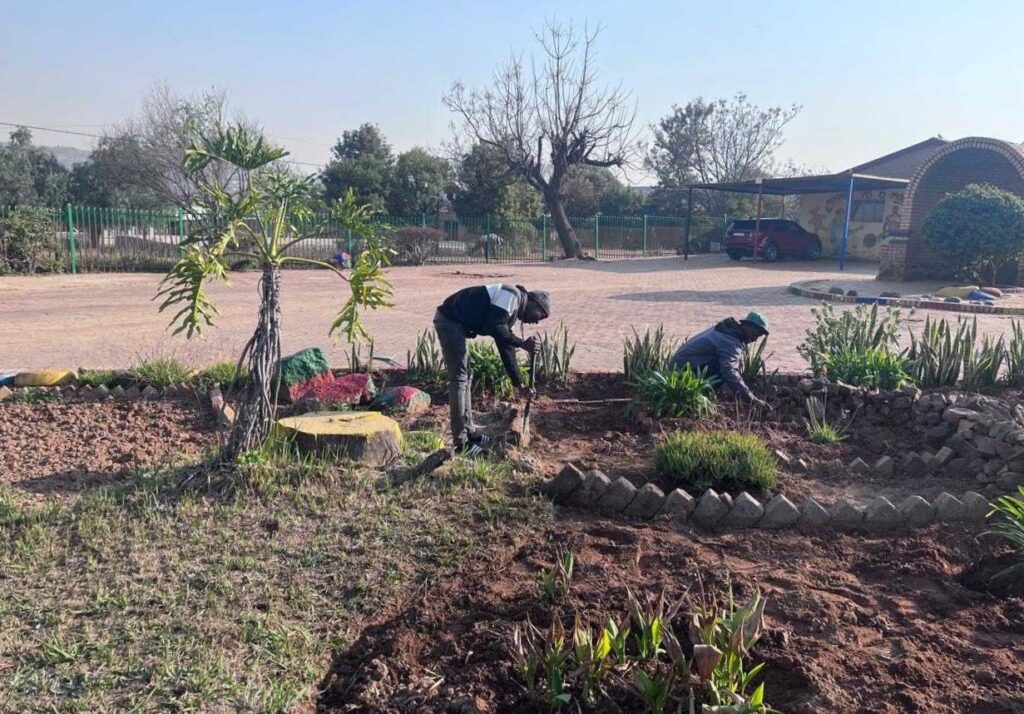
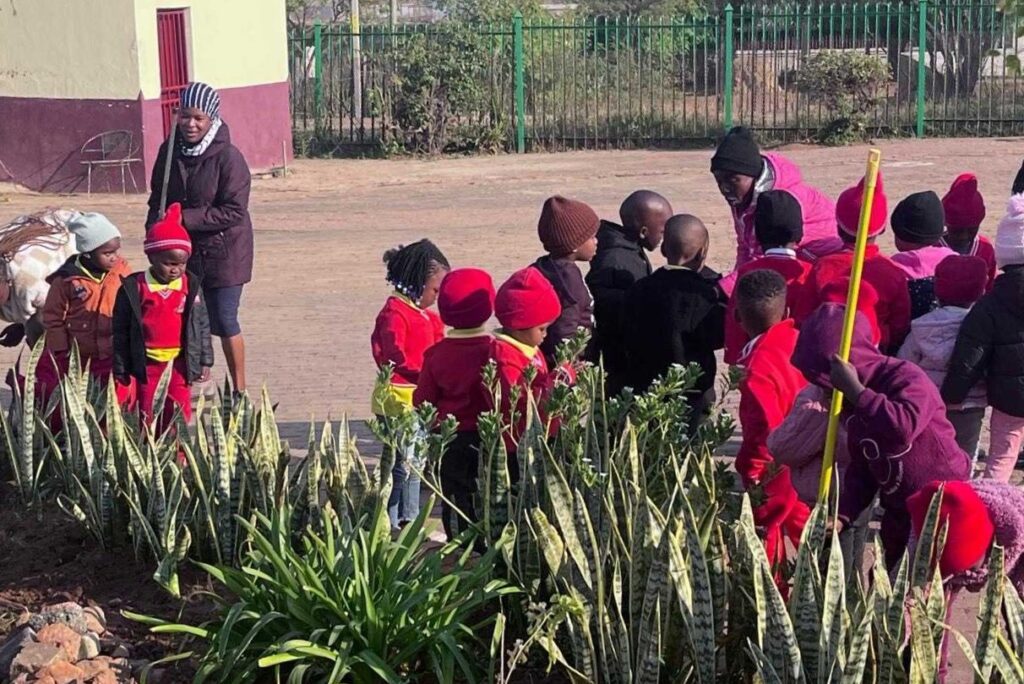
At Hebron Good Shepherd Mission, community members dedicated their 67 minutes to cleaning, repairing, and tidying up the Mission grounds, school, and gardens. Their willingness to serve reflected the true meaning of Mandela Day—building stronger communities through selfless action.
What each of these moments shares is a deep alignment between Mandela’s legacy and the Good Shepherd’s enduring mission. Both are rooted in the belief that every person possesses inherent dignity. Both call us to stand with those who are marginalized, to accompany the vulnerable, and to build communities where no one is left behind. The African philosophy of Ubuntu—”I am because we are“—runs through both visions like a thread, reminding us that our humanity is bound up in one another’s.
Mandela Day is a call to live differently every day. And in their zealous service, the sisters, staff, partners, volunteers, and community members of the Good Shepherd Mission in South Africa offer a compelling answer to that call with planted trees, handmade gifts, warm meals, and well-tended gardens. This is how a legacy endures. This is how justice takes root.