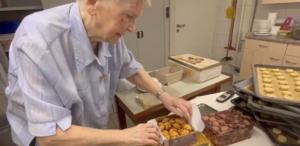
At the Alte Apotheke Neighborhood Center in Münster, Germany, people meet over hot drinks and homemade cake, donate items to the second-hand shop, and help one another use digital technology. In this article, Partner-in-Mission Sebastian Philipper describes how, for more than ten years, the center has been part of the structured daily programs offered by the House of the Good Shepherd and an established gathering place for the neighborhood.
Alte Apotheke (‘Old Pharmacy’) shows how organized daily activities, neighborhood involvement, and community-based work can complement one another. Here, people find support, experience community, and contribute their own skills. Its guiding principle, “We bring people together!” captures the purpose of its everyday work.
A Center Shaped by the Neighborhood
The idea was to establish a neighborhood center in Münster’s Mauritz-Ost district where residents of the House of the Good Shepherd could participate directly in community life. The approach drew on a principle of community psychiatry, paraphrased from Klaus Dörner: “Only neighbors can integrate neighbors."
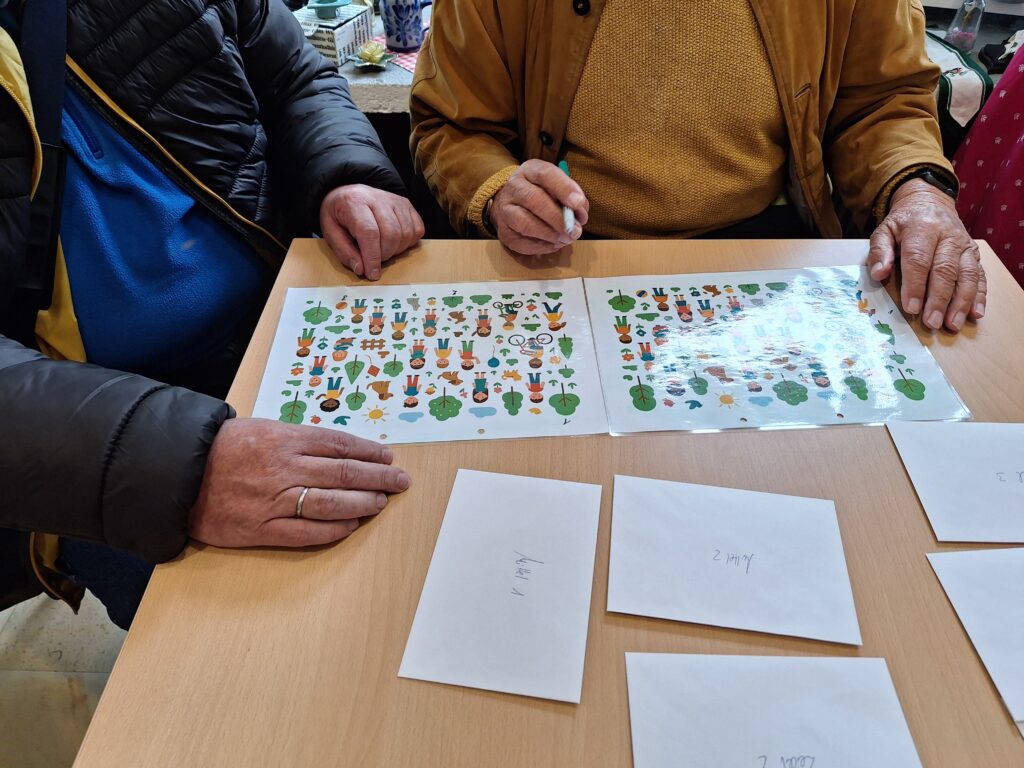
People with disabilities or chronic illnesses should be treated as equals in their neighborhoods and belong as a matter of course.
From the outset, Alte Apotheke was therefore intended to offer more than another place for structured daily activities. The neighborhood and its needs helped shape the plans for the center. Before it opened, we established contacts with key local stakeholders and assessed the neighborhood’s needs and resources.
The aim was to create a place equally open to our residents and people from the neighborhood, with both groups helping to shape it. Alte Apotheke welcomes everyone, with a particular focus on people with disabilities, older adults, and people receiving social benefits.
Daily Activities, Shared Contributions
The result was a place in the heart of Mauritz-Ost where our residents could participate in structured daily activities beyond the usual therapeutic setting. These activities respond to what the neighborhood actually needs.
La second-hand shop is also part of the daily program. People from the neighborhood bring clothing, toys, and everyday items they no longer need.
The people we support participate in every stage of this work. They take on meaningful tasks, build their own networks, and see that their contributions are needed and appreciated. Particularly important are situations in which the roles are reversed: residents receive support and also help others—for example, during drop-in sessions for help with digital technology.
Working Together
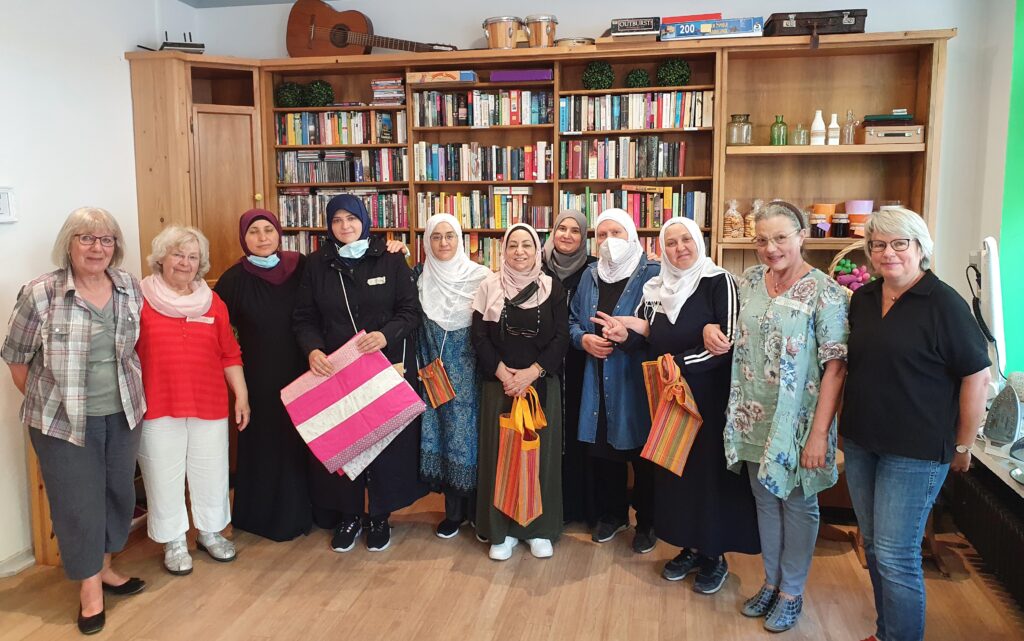
At Alte Apotheke, professional support and neighborhood involvement come together in what we call a “community–professional mix." Volunteers are an important part of this approach.
From the early days, visitors and the people we support formed lasting connections and friendly relationships throughout the neighborhood. Collaboration deepened during the COVID-19 pandemic. Since then, program participants, neighborhood residents, paid staff, and partner organizations have worked together as one team.
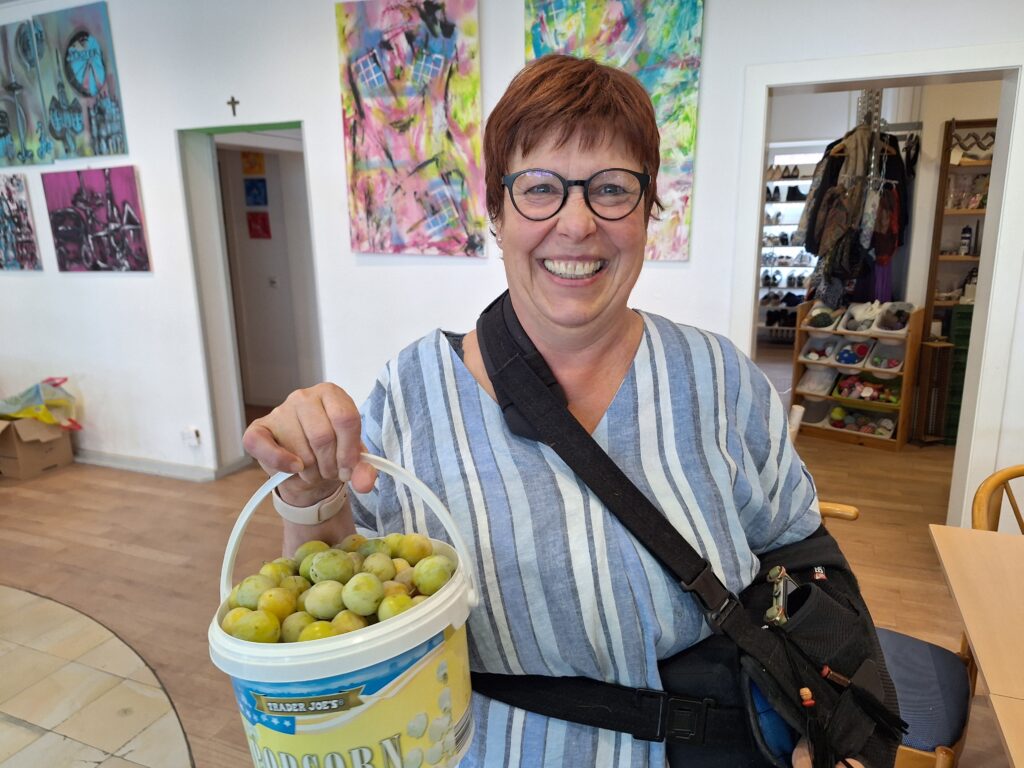
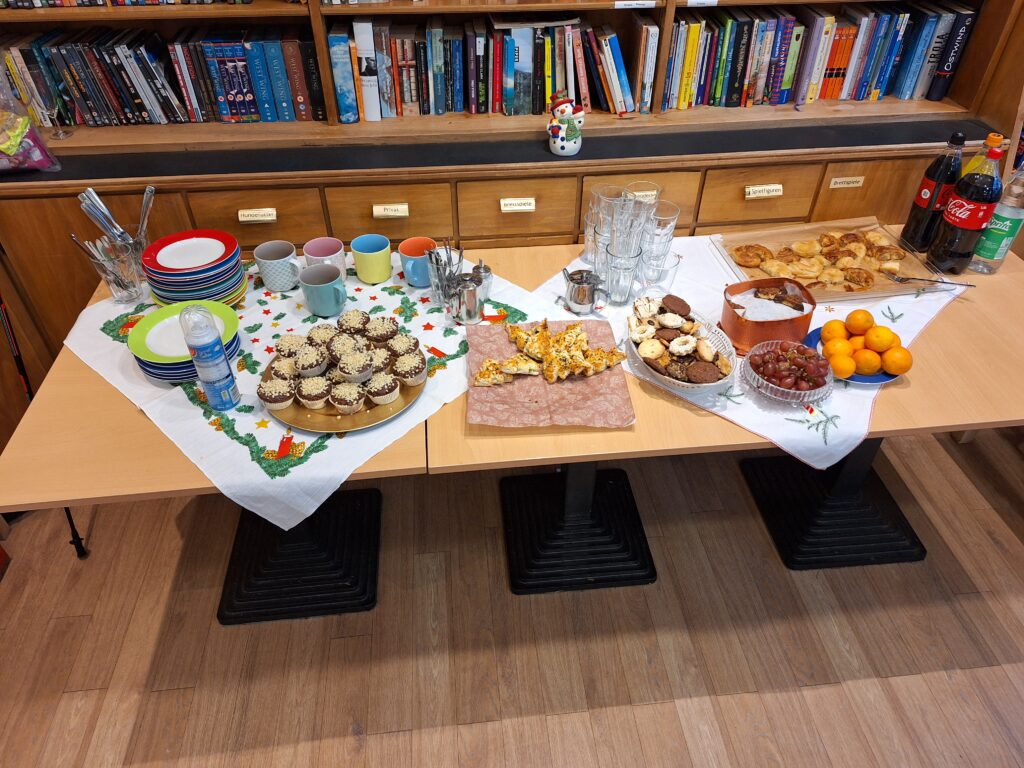
Shared lunch breaks, birthday celebrations, summer barbecues, and end-of-year gatherings are also a natural part of life at the center. These everyday events build community and make the sense of belonging tangible.
Combining structured daily activities with volunteering benefits everyone involved. Our residents have opportunities to participate, receive recognition, and help shape activities, while the neighborhood gains services that might otherwise be unavailable.
Open to the Whole Neighborhood
Affordable prices help people with limited incomes participate in community life. Those experiencing loneliness find a place where they can simply spend time, have a coffee, and talk with others. Relationships develop on equal terms: people share joys and concerns, support one another, and feel a little less alone.
Another major benefit is the center’s long opening hours. Alte Apotheke is open nine hours a day, Monday through Friday, thanks to the combined efforts of paid staff, volunteers, and participants in the daily program.
Places where people can spend time without being expected to buy anything are becoming increasingly rare. We therefore see Alte Apotheke as a resource for the whole neighborhood. We gladly make rooms available to groups and partner organizations and for events, following the principle: “If a room is empty, it is wasted."
By keeping its doors open and making its spaces available, Alte Apotheke gives neighbors a place to meet, contribute, and support one another.
Discover more about Alte Apotheke Neighborhood Center here (website in German)