Por Charlotte Vogel, Voluntaria de Justicia y Paz del Buen Pastor Internacional, Oficina de Nueva York
“Insistimos en que todas las personas, independiente de su situación migratoria, son titulares de derechos cuya protección constituye un imperativo moral.”
Documentos de posición de NSCBP
La Gobernanza Global de la Migración enfrenta un desafío crucial, ya que los Estados Miembros de las Naciones Unidas divergen cada vez más en cuanto a cómo defender los Derechos Humanos de los Migrantes y coordinar las estrategias migratorias internacionales. El 20 de mayo de 2026, la mayoría de los Estados Miembros votó a favor de la Declaración Progresiva del Foro Internacional de Revisión de la Migración (FIRM). Este marco aborda cuestiones complejas en materia de migración, y ahora depende de la voluntad política implementar este acuerdo en la legislación nacional.
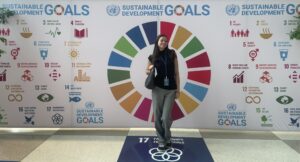
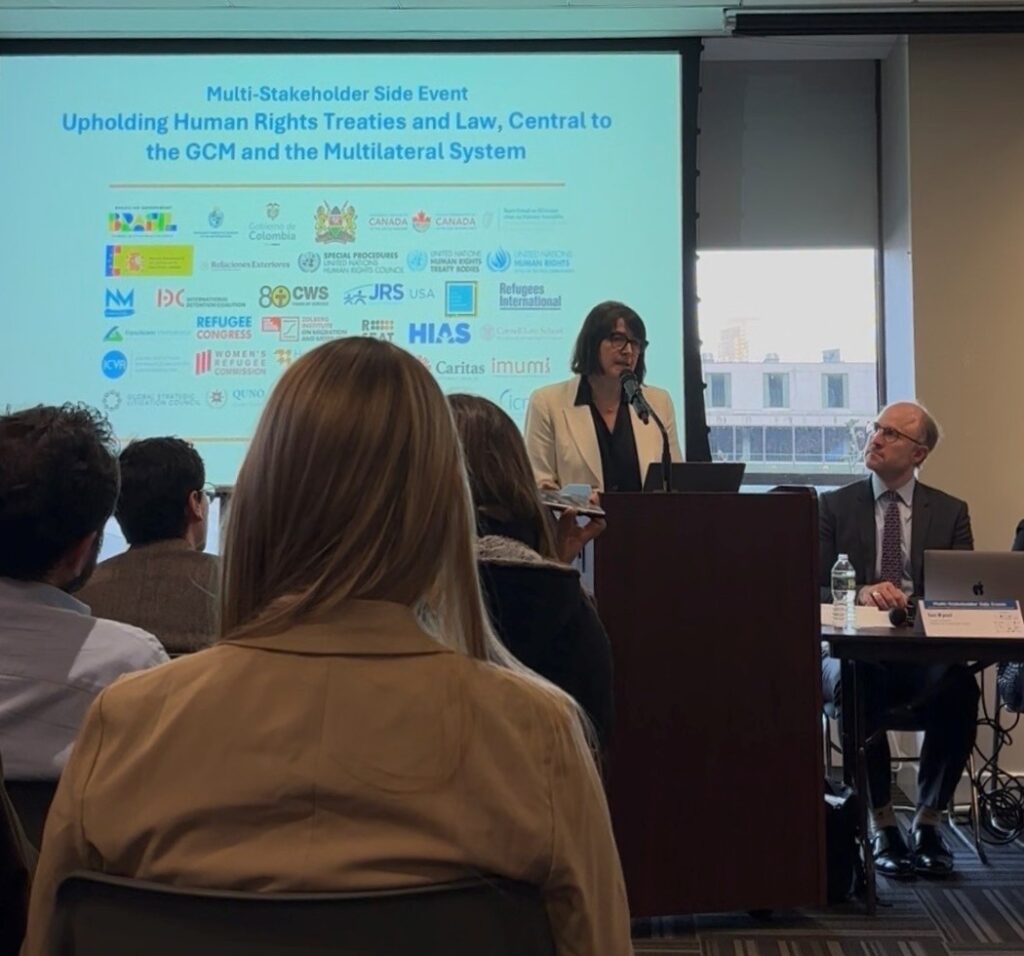
 Charlotte Vogel, voluntaria de JPIBP, asistió a la segunda reunión cuatrienal del FIRM en Nueva York, del 4 al 8 de mayo y así ver el extenso proceso que llevó alcanzar dicho consenso. Representantes de Gobiernos, la Sociedad Civil y entidades de la ONU compartieron sus inquietudes sobre el trato y la protección de los 304 millones de personas migrantes en el mundo, así como sobre enfoques y recomendaciones basados en los Derechos Humanos.
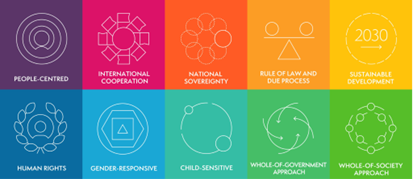
Estas conversaciones se centraron en la implementación de un acuerdo internacional clave: el Pacto Mundial para una Migración Segura, Ordenada y Regular (PMMR). Este fue el primer acuerdo entre gobiernos sobre migración internacional, integral y centrado en las personas, adoptado por 152 países en 2018. Muchos de los países designados como "países campeones" cuentan con la presencia del Buen Pastor, lo que indica su responsabilidad compartida de proteger a los migrantes y sirve como recordatorio para que nuestros apostolados globales aboguen por los derechos humanos en las políticas migratorias locales y nacionales.
Charlotte Vogel, voluntaria de JPIBP, asistió a la segunda reunión cuatrienal del FIRM en Nueva York, del 4 al 8 de mayo y así ver el extenso proceso que llevó alcanzar dicho consenso. Representantes de Gobiernos, la Sociedad Civil y entidades de la ONU compartieron sus inquietudes sobre el trato y la protección de los 304 millones de personas migrantes en el mundo, así como sobre enfoques y recomendaciones basados en los Derechos Humanos.
Estas conversaciones se centraron en la implementación de un acuerdo internacional clave: el Pacto Mundial para una Migración Segura, Ordenada y Regular (PMMR). Este fue el primer acuerdo entre gobiernos sobre migración internacional, integral y centrado en las personas, adoptado por 152 países en 2018. Muchos de los países designados como "países campeones" cuentan con la presencia del Buen Pastor, lo que indica su responsabilidad compartida de proteger a los migrantes y sirve como recordatorio para que nuestros apostolados globales aboguen por los derechos humanos en las políticas migratorias locales y nacionales.
“Los Refugiados y Migrantes tienen Derecho a los mismos Derechos Humanos universales y libertades fundamentales, que deben ser respetados, protegidos y garantizados en todo momento.”
Pacto Mundial para una Migración Segura, Ordenada y Regular
En el evento de JPBPI sobre enfoques de género para la migración , celebrado durante el 70º período de Sesiones de la Comisión de la Condición Jurídica y Social de la Mujer en las Naciones Unidas (CSW70) en marzo, nuestros ponentes dejaron claro por qué un instrumento internacional de gran envergadura como el Pacto Mundial para la Migración (PMM) es fundamental para la acción comunitaria. La presidenta del Comité de ONGs sobre Migración y exrepresentante de BPJPI, Cecelie Kern, afirmó que las niñas y mujeres migrantes tienen «Derecho a pertenecer, a ser protegidas y a que su voz sea escuchada en sistemas que con demasiada frecuencia hablan de ellas, pero no con ellas». Durante el evento, la Hna. Gilma María Muñoz Calderón enfatizó: «La protección no puede ser aislada ni temporal. Debe ir más allá de las fronteras y acompañar todo el proceso migratorio». Estas palabras cruciales reflejan un aspecto clave del PMM: el enfoque basado en las rutas. Este marco de colaboración ofrece un enfoque holístico y transfronterizo que involucra a gobiernos y otros actores para apoyar a las personas refugiadas y migrantes desde su origen, pasando por el tránsito, hasta su país de destino.
El Estado de la Migración
Antes de la Conferencia Internacional sobre Migración y Reforma (CIM), el Secretario General Antonio Guterres presentó un panorama desalentador en el informe bienalde la CIM . El informe indicaba que entre 37 y 42 millones de niños y niñas migrantesse encontraban en situación de riesgo, y que entre 2020 y 2023 se registraron 202.478 víctimas de trata, de las cuales el 61% eran mujeres. Muchos países también presentaron informes voluntarios de progreso con datos sobre vulnerabilidades, como el incumplimiento de los derechos y los procedimientos de seguridad para niñas y mujeres. Estos informes revelaron deficiencias en la implementación de políticas e insuficiencia de medidas Gubernamentales para promover los Derechos Humanos, incluso en materia de migración, como consecuencia de la degradación ambiental y los desastres climáticos.
Brasil, por ejemplo, presentó un informe y fue uno de los países Latinoamericanos que impulsaron mayores avances desde las negociaciones a puerta cerrada del documento hasta la aprobación de la Declaración de Progreso, junto con El Salvador, Colombia y Uruguay, entre otros. Estos países se hicieron eco del trabajo ya realizado por los programas del Buen Pastor en la región, que refuerzan las iniciativas contra la Trata de Personas, priorizan la protección de niñas y mujeres, y abordan la creciente interrelación entre el cambio climático y la movilidad humana.
Sin embargo, los recientes cambios en las políticas Gubernamentales socavan estos esfuerzos. La Relatora Especial sobre la trata de personas, Siobhán Mullally, condenó el uso de la prevención de la trata como pretexto para imponer regulaciones más estrictas que, inadvertidamente, aumentan la vulnerabilidad de los migrantes al obligarlos a transitar por rutas más peligrosas.
 Esto lo vemos en Chile, donde nuestra fundación, Madre Josefa, ha tenido que lidiar con las consecuencias del cierre Gubernamental de seis albergues para migrantes irregulares en la ciudad fronteriza de Colchane, en nombre de la seguridad nacional. Para las niñas, la detención infantil y la separación familiar siguen siendo prácticas comunes, a pesar de no ser en su mejor interés. En cuanto al cambio climático, los expertos lamentaron la falta de protecciones legales claras y la inaccesibilidad de mecanismos jurídicos para estos migrantes.
La Declaración de Progreso sostiene que se deben garantizar los derechos y la dignidad a todos los migrantes en cada etapa de la migración, independientemente de su estatus migratorio, ubicación geográfica o liderazgo político. Sin embargo, gran parte de la Sociedad Civil quedó insatisfecha, y se han logrado pocos avances desde la firma del Pacto Mundial para la Migración hace ocho años.
Ante políticas nacionales cada vez más restrictivas y un discurso internacional hostil, es más urgente que nunca para nosotras, como Nuestra Señora de la Caridad del Buen Pastor, defender los derechos de los migrantes y ofrecerles protección, en nuestro compromiso de no dejar a nadie atrás.