Por Kimberly Happich Moloche, Representante Principal ONG de BPIJP, Nueva York
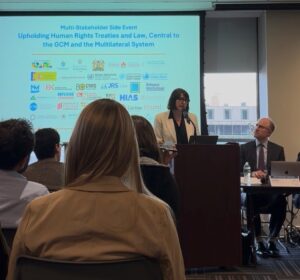
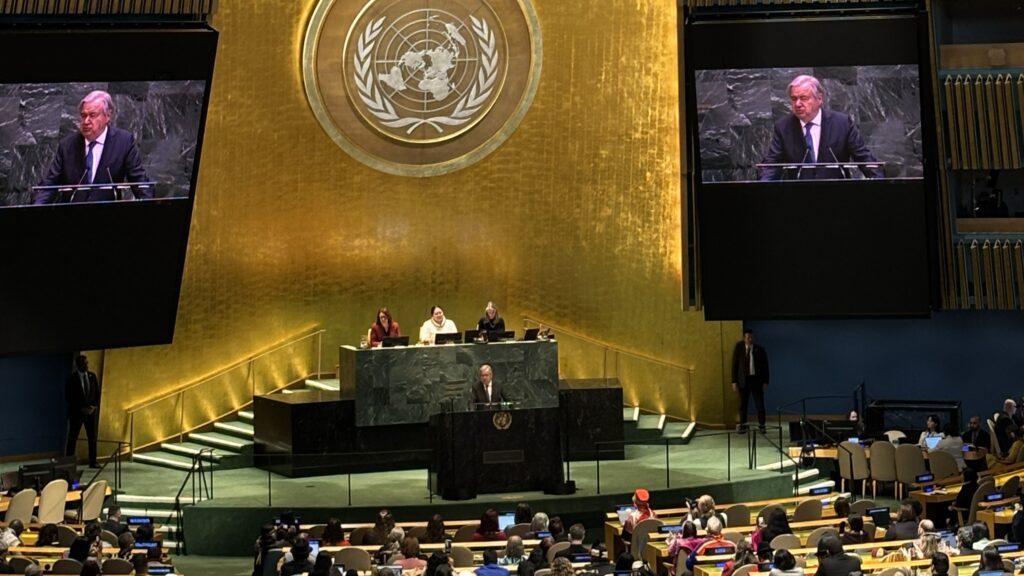
Durante dos semanas de abril de 2026, los pasillos de las Naciones Unidas en Nueva York resonaron con voces de todo el mundo: voces arraigadas en la tierra, la cultura, la memoria y la resistencia.
En el Foro Permanente de las Naciones Unidas para las Cuestiones Indígenas 2026, líderes, defensores y comunidades indígenas se reunieron bajo el lema «Garantizar la salud de los pueblos indígenas, incluso en el contexto de los conflictos». Sin embargo, al escuchar y participar, quedó claro que no se trataba solo de una conversación sobre salud. Era una reflexión más profunda sobre la tierra, la dignidad y las personas.

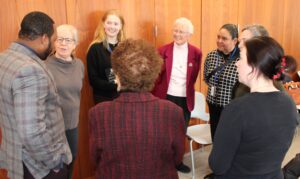
Como recordó Justicia y Paz Internacional del Buen Pastor, nuestra presencia en el Foro se basó, ante todo, en la escucha activa. En todas las sesiones, desde el Grupo Mundial de Mujeres Indígenas hasta los diálogos sobre minería y clima, las voces reflejaron realidades compartidas. Ya fueran de Ecuador, Kenia, Bolivia, Filipinas o Estados Unidos, las comunidades indígenas describieron experiencias que, si bien se originaron en contextos diferentes, reflejaban patrones sorprendentemente similares: tierras que ya no son seguras y procesos de toma de decisiones que excluyen a los más afectados. Sin embargo, junto a estas realidades, también existía un poderoso sentimiento de conexión. En todas las regiones, se reconoció la lucha y la resistencia compartidas, con comunidades que se solidarizaron, protegieron su cultura y defendieron sus derechos.
Una de las reflexiones más profundas del Foro es una que profundamente reconocemos en nuestro propio trabajo como Buen Pastor: la salud de las personas y la salud del planeta son inseparables. Las historias compartidas durante las sesiones lo dejaron claro: ríos contaminados por petróleo que contribuyen a la desnutrición infantil; sistemas alimentarios alterados por la destrucción ambiental; y medicinas tradicionales que se vuelven inaccesibles. No se trata de desafíos ambientales aislados, sino de realidades vividas que revelan cómo el daño ecológico impacta directamente en la dignidad y el bienestar humanos.
Una y otra vez, las mujeres indígenas ocuparon un lugar central en estas conversaciones. Son líderes, cuidadoras, guardianas del conocimiento y defensoras de la tierra. Preservan tradiciones que sustentan a sus comunidades. Al mismo tiempo, enfrentan riesgos crecientes. Las participantes hablaron del aumento de la violencia contra las mujeres indígenas, de aquellas que son amenazadas, desaparecidas o asesinadas por proteger sus territorios y comunidades. Sus experiencias reflejan la urgente necesidad de reconocer tanto su liderazgo como las injusticias estructurales que enfrentan.
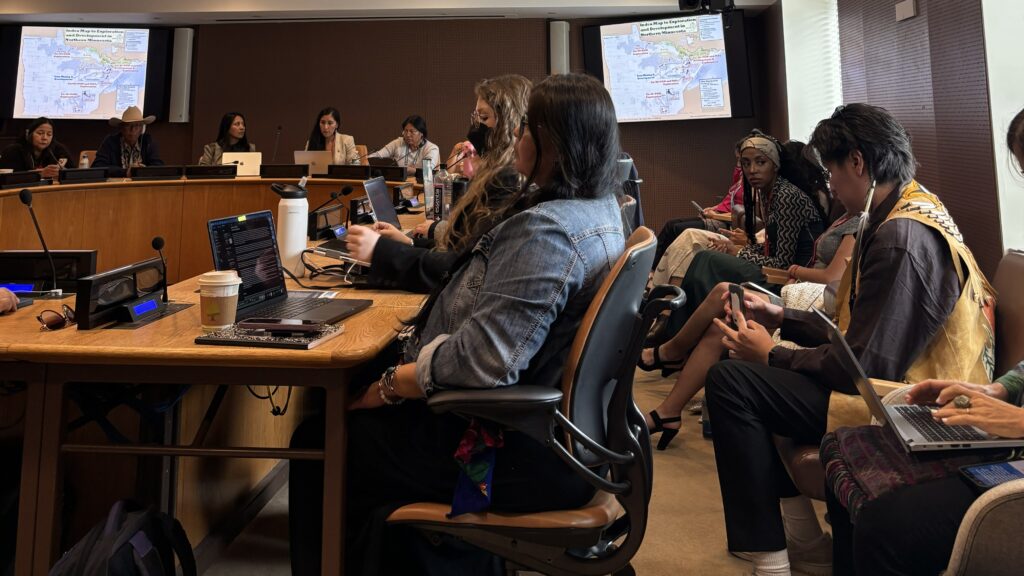
A lo largo del Foro, también hubo un llamado claro y constante a la rendición de cuentas. La Declaración de las Naciones Unidas sobre los Derechos de los Pueblos Indígenas, que pronto cumplirá veinte años, sigue implementándose de manera desigual. Compromisos como el Consentimiento Libre, Previo e Informado son ampliamente reconocidos, pero con demasiada frecuencia no se respetan en la práctica. Las comunidades siguen enfrentando decisiones tomadas sin su participación, y los recursos a menudo no llegan a quienes se ven más directamente afectadas. El llamado de los líderes indígenas no fue para nuevas promesas, sino para el cumplimiento de las ya hechas.
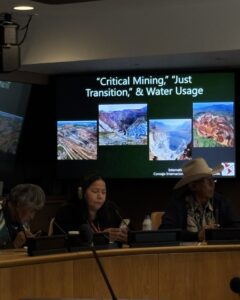 Una de las reflexiones más desafiantes que surgieron se centró en el impulso global hacia una “transición verde”. Si bien la acción climática es urgente, muchos líderes indígenas expresaron su preocupación por la forma en que se está llevando a cabo esta transición. La extracción de minerales necesarios para las energías renovables se está expandiendo rápidamente, a menudo en tierras indígenas. Estas actividades provocan destrucción ambiental, escasez de agua y consecuencias para la salud a largo plazo. Lo que se presenta globalmente como progreso puede, a nivel local, sentirse como una continuación de sistemas extractivos que durante mucho tiempo han causado daño. Sin embargo, en medio de estos desafíos, existía un fuerte sentimiento de esperanza, basado no en la abstracción, sino en el conocimiento vivido. Las comunidades indígenas poseen una sabiduría ancestral sobre el cuidado de la Tierra, la sostenibilidad de los ecosistemas y el desarrollo de la resiliencia. Este conocimiento no es teórico; se practica, se vive y se transmite de generación en generación. Las niñas y mujeres indígenas, en particular, desempeñan un papel fundamental en la transmisión de este conocimiento, ofreciendo un liderazgo arraigado en la tradición y que responde a las realidades actuales.
Nuestra participación en el Foro nos recordó que la defensa de los derechos comienza con el acompañamiento. Requiere escuchar con atención, reconocer la interconexión de los problemas y asegurar que los diálogos globales estén marcados por quienes se ven más afectados. Las voces que se escucharon en el Foro Político de las Naciones Unidas para la Segunda Instancia (UNPFII) nos invitan a seguir impulsando nuestra misión del Buen Pastor, defendiendo la dignidad, abogando por la justicia y promoviendo sistemas que respeten tanto a las personas como al planeta.
En definitiva, esta experiencia nos deja con una verdad simple pero urgente: las soluciones ya están presentes en las comunidades más afectadas. La cuestión es si el mundo está preparado para escuchar y actuar en consecuencia.