Editado a partir de una contribución de Community Esperanza, Lisboa, Portugal
Al concluir su primer año en Lisboa, la Comunidad Esperanza ya comienza a cosechar los frutos —tanto propios como espirituales— de esta audaz iniciativa. Esta comunidad interregional, integrada por Hermanas de la Región de Europa del Sur y de la nueva Región del Norte de Europa que pronto se creará, ha dedicado su primer año a descubrir cómo la misión, la comunidad y la ecología integral pueden crecer juntas en lugares cotidianos.
El papa León XIV, en su encíclica Magnifica Humanitas, nos recuerda que la humanidad se enfrenta hoy a una elección crucial: «o construir una nueva Torre de Babel o construir la ciudad en la que Dios y la humanidad convivan» (MH 1). En Laudato Si', el papa Francisco escribe de manera similar diciendo que «Hay nobleza en el deber de cuidar la creación mediante pequeñas acciones cotidianas, y es maravilloso cómo la educación puede generar cambios reales en el estilo de vida» (LS 211).
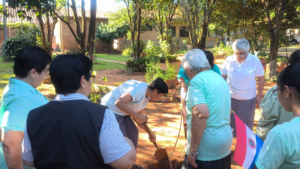
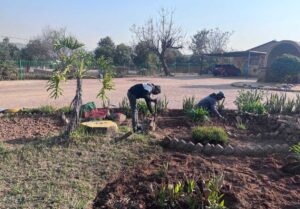
Uno de los apostolados de la Comunidad Esperanza ofrece un ejemplo concreto de estas enseñanzas a través de su participación en tres proyectos de huertos comunitarios en las afueras de Lisboa. En cada lugar, terrenos baldíos o en barbecho se transforman en espacios donde se cultivan alimentos para el consumo familiar o comunitario, y donde las personas pueden reconectarse con la tierra, entre sí y con su propia dignidad.
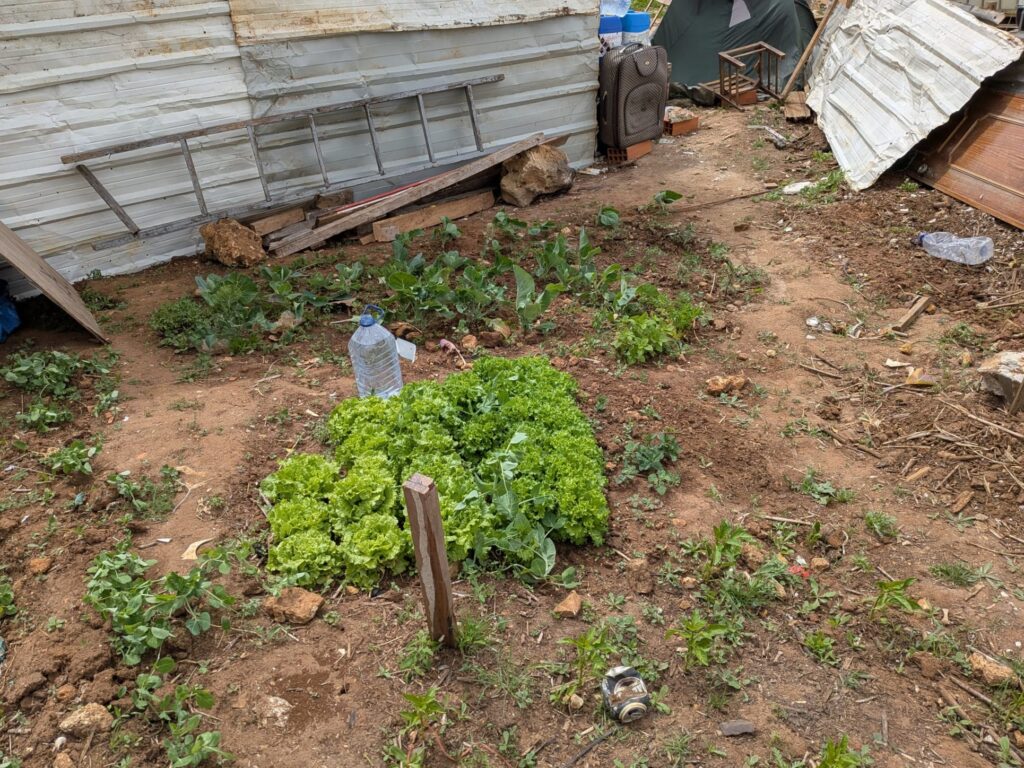
El primer huerto es una pequeña parcela junto a la vivienda temporal de una mujer migrante. Después de que su casa fuera demolida por los servicios públicos y se viera obligada a reconstruirla, le dijo a una de las Hermanas: «Hermana, por mi salud mental, necesito crear un pequeño huerto aquí». Para ella, cultivar la tierra no es solo producir alimentos, sino recuperar la paz, la estabilidad y el sentido de pertenencia en un lugar donde ambas cosas le han sido arrebatadas.
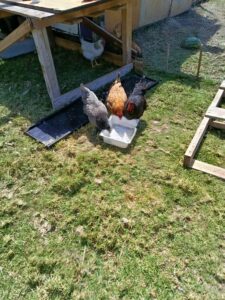
El segundo huerto se encuentra en un terreno municipal que las familias Romaníes tienen permiso de usar para cultivar alimentos, y es también donde la comunidad colaboró en la construcción de un gallinero. La matriarca de una extensa familia gitana, que padece una dolorosa afección médica, lo expresó con sencillez: «Cuando el dolor es muy intenso y no puedo acostarme ni sentarme, vengo aquí al jardín, y las gallinas me ayudan a distraerme y a olvidarme del dolor».
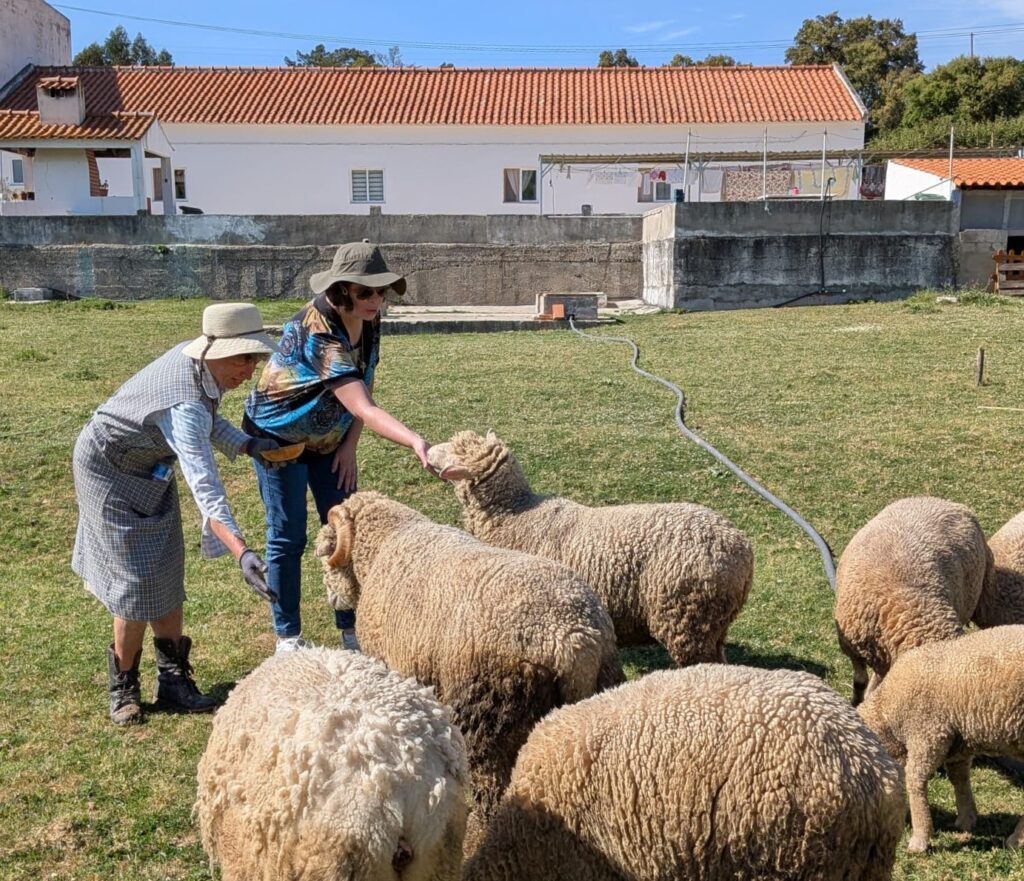
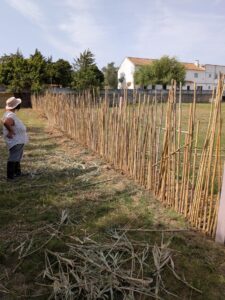 El tercer proyecto se desarrolla en un centro local para mujeres en recuperación de la adicción a las drogas o al alcohol, quienes solicitaron ayuda para crear un huerto en el terreno baldío que rodea su edificio. Allí también se crían las ovejas, y las hermanas, voluntarios y otras personas colaboraron para limpiar el terreno y construir una cerca de bambú, creando un espacio donde las mujeres pueden cultivar verduras y cuidar de los animales como parte de su recuperación. Además de aprender a crear y cuidar un huerto, la actividad física ayuda a reducir el estrés y la ansiedad, y fomenta la creación de rutinas saludables.
En cada uno de estos lugares, trabajar la tierra se ha convertido en algo mucho más significativo que la simple producción de alimentos. Limpiar el terreno, sembrar, construir cercas, cuidar de las gallinas y las ovejas, y esperar la cosecha, todo ello conlleva una profunda dimensión humana y terapéutica: una forma de restablecer la conexión con la tierra, con los demás y con uno mismo. En una comunidad donde las necesidades básicas no siempre están garantizadas, incluso el simple acto de compartir en un grupo de WhatsApp que las verduras están listas para la cosecha se convierte en un signo de solidaridad y celebración.compartir en un grupo de WhatsApp que las hortalizas están listas para la cosecha se convierte en un gesto de solidaridad y celebración.
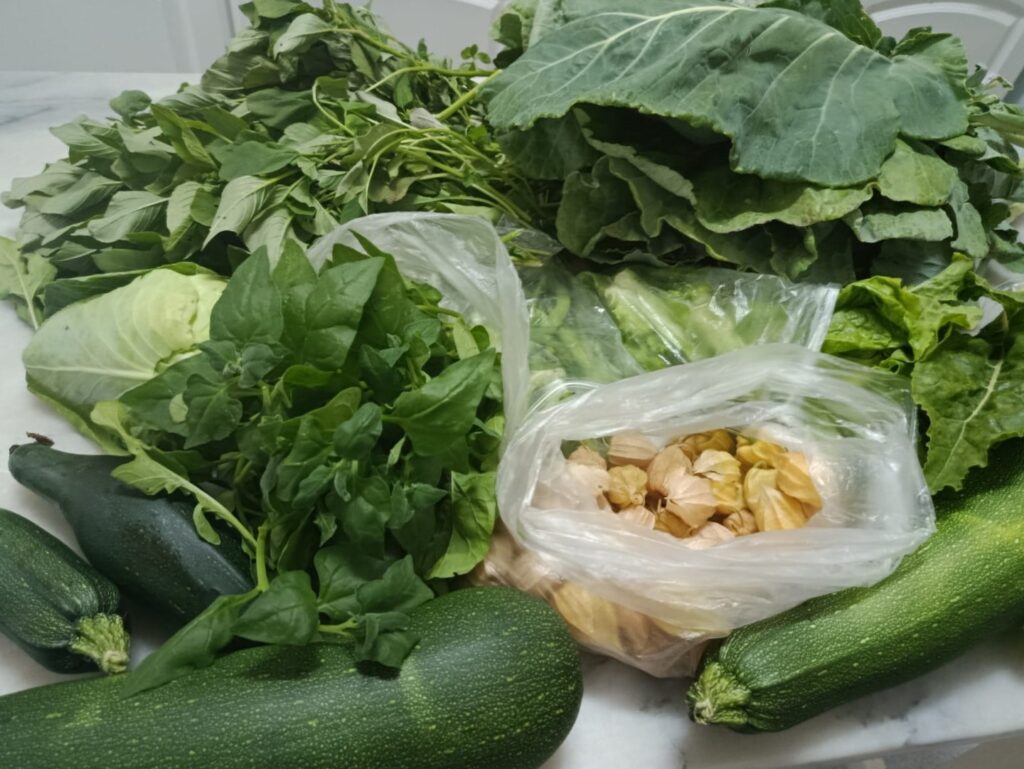
Estos jardines también han abierto puertas que no se esperaban. Su creación en diferentes contextos ha propiciado el surgimiento de nuevas sinergias, que involucran a asociaciones, voluntarios, familias, servicios locales y empresas. Esta red permite no solo compartir recursos materiales y humanos, sino también el intercambio de conocimientos, la comprensión de otras culturas, el fortalecimiento de las relaciones entre vecinos y una creciente conciencia de lo que significa, en la práctica, cuidar nuestra casa común.
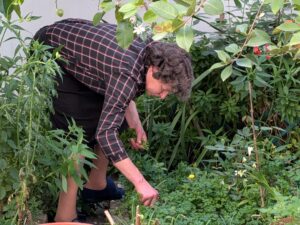 “Nadie puede soportar por sí solo el peso de los desafíos que enfrenta el mundo, así como nadie es tan débil como para no poder contribuir» (MH 13). En pequeños jardines en las afueras de Lisboa, la Comunidad Esperanza ha sido testigo precisamente de esto: cada persona aportando lo que puede, ya sea limpiando terrenos, sembrando, construyendo cercas, cuidando animales, compartiendo conocimientos o simplemente disfrutando cuando algo empieza a crecer.
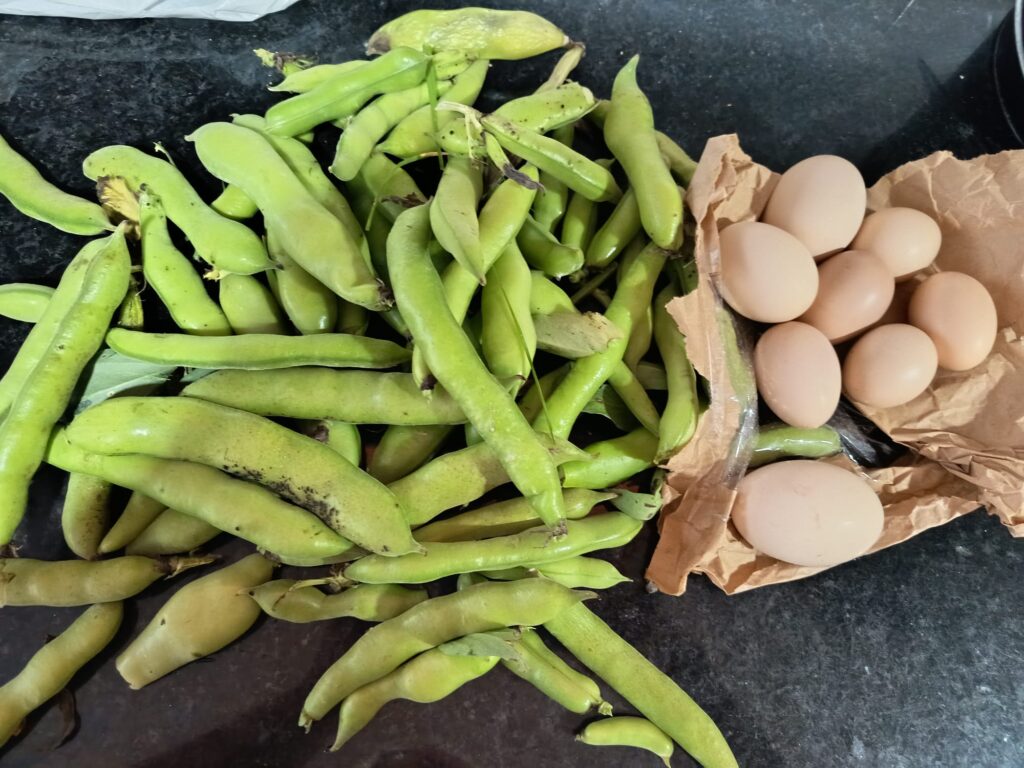
Al concluir este primer año, estos jardines ofrecen una poderosa imagen de cómo puede ser la ecología integral en la práctica: tierra restaurada, alimentos cultivados, relaciones más profundas, dolor acompañado y esperanza cultivada silenciosamente. «La idea del desarrollo humano integral encuentra hoy en la ecología integral un criterio de evaluación decisivo, que se ha convertido en una dimensión indispensable de la Doctrina Social de la Iglesia» (MH 84). Estos jardines son una pequeña pero real muestra de que esa visión está echando raíces.
Nos recuerdan que la misión a menudo comienza con pequeñas semillas plantadas en tierra difícil y que, con paciencia y cuidado, esas semillas pueden dar fruto. Nuestro destino común nos impulsa a buscar un nuevo comienzo: «que el nuestro sea un tiempo recordado por el despertar de una nueva reverencia por la vida, la firme resolución de lograr la sostenibilidad, la aceleración de la lucha por la justicia y la paz, y la gozosa celebración de la vida” (LS 207).